

The Jonangi Dog Breed is a rare, short-coated Indian working dog from Andhra Pradesh. It herds ducks, yodels instead of barking, digs cool pits to rest, and bonds tightly with one family. Numbers are low, so finding a healthy puppy takes effort and care. Ideal for active owners who respect its independent nature.
Hey friend. Have you ever heard of a dog that yodels instead of barking? Or one that digs its own little trench to stay cool on a hot day? Meet the Jonangi Dog Breed. This is not your everyday pet. It is a living piece of coastal India that almost disappeared. Today we sit down together and talk about it in plain words. No fancy jargon. Just the real story so you can decide if this dog fits your life.
What Exactly Is the Jonangi Dog Breed?

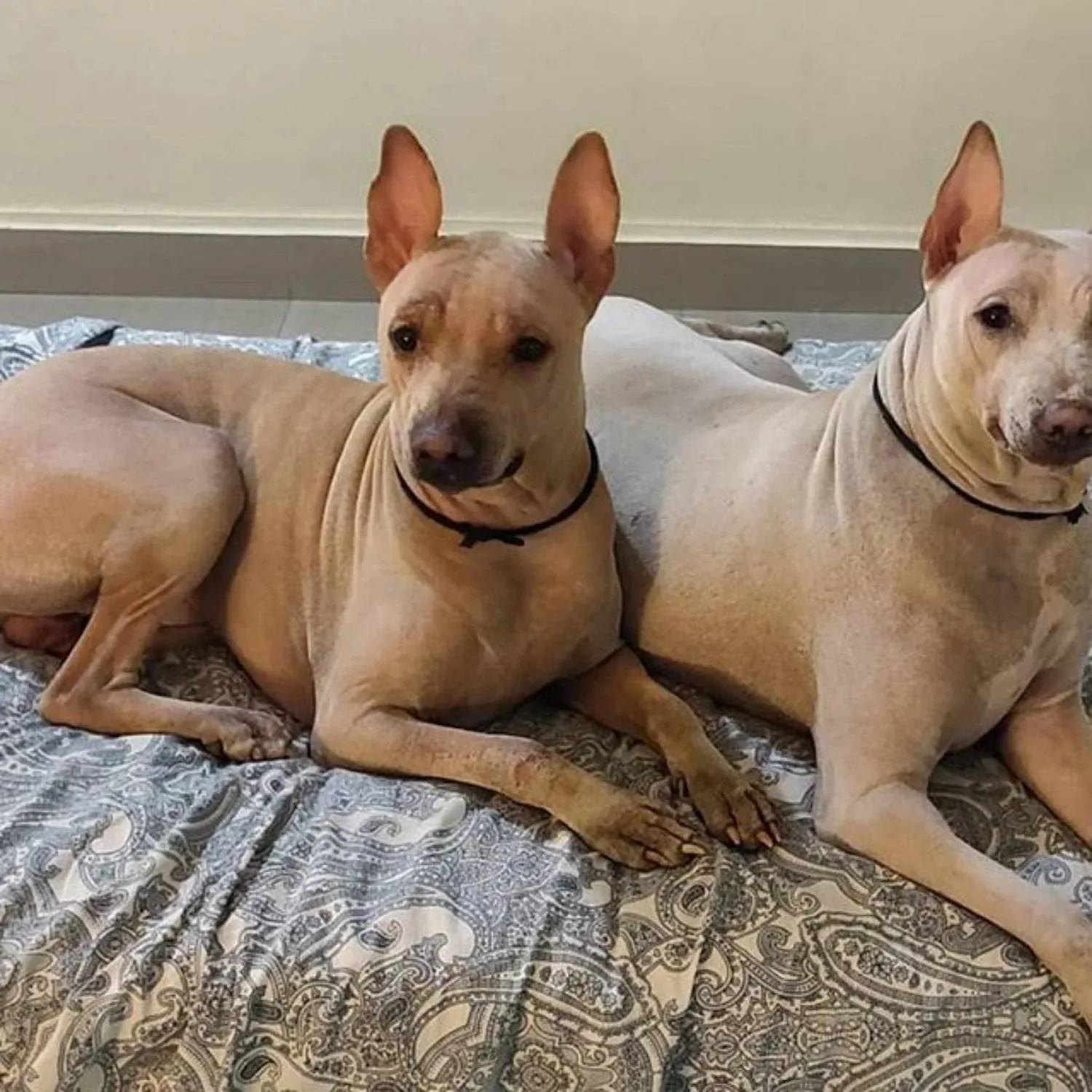
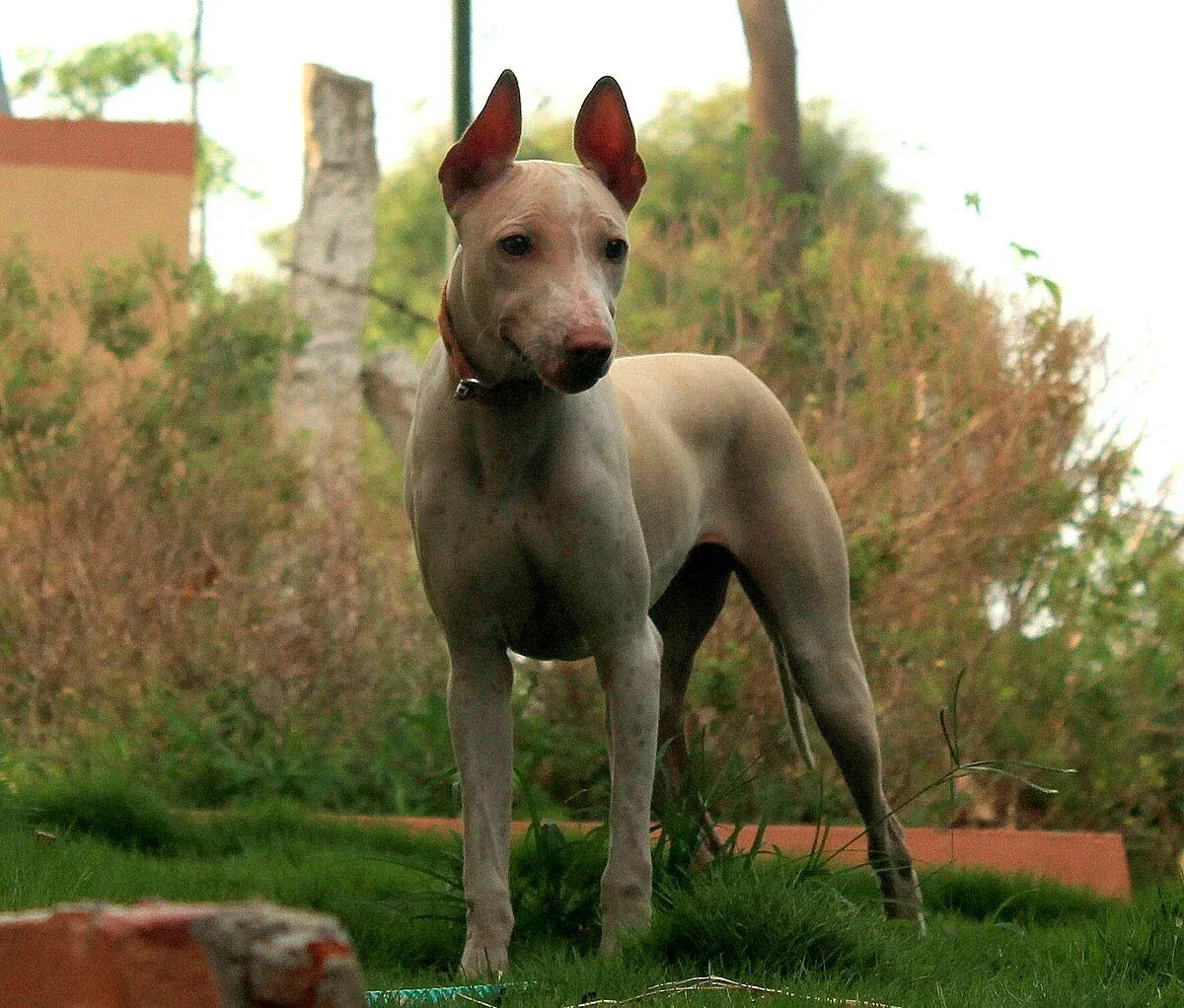
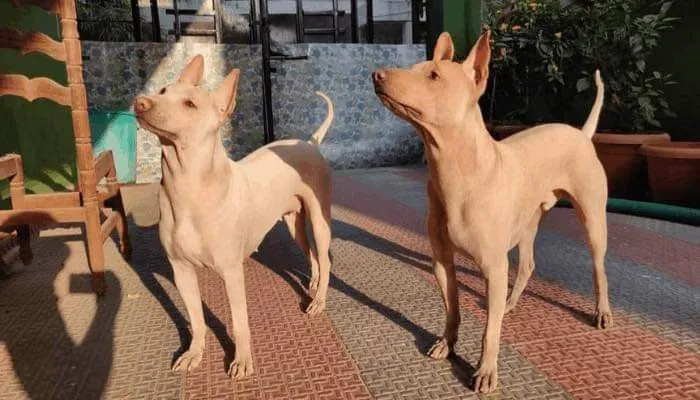
The Jonangi Dog Breed is an indigenous landrace from South India. People also call it Jonangi Jagilam or Kolleti Jagilam. Some still say Indian Duck Herding Dog. It is medium-sized, lean, and muscular. Its coat is extremely short and smooth. Many describe it as nearly hairless, which helped it work in hot, wet areas.
This dog was never meant to sit on a couch all day. Farmers and fishing families around Kolleru Lake used the Jonangi Dog for real work. It herded ducks through marshes, guarded fish catches, hunted small game, and watched over livestock. That history still shows in every step it takes.
Major kennel clubs outside India do not fully recognize it yet. Some Indian groups acknowledge it as a native breed. Local beach festivals in Andhra Pradesh still showcase these dogs. That keeps the tradition alive.
You will notice the Jonangi Dog Breed forms a deep bond with one person or one family. It stays polite with other animals it grows up with, including poultry and goats. Strangers get a reserved or watchful look. This is normal for the breed, not bad training.
Where Did the Jonangi Dog Come From?
Picture the wetlands of Andhra Pradesh. Kolleru Lake sits between the Krishna and Godavari districts. Fishing and duck-farming communities lived there for generations. They needed a smart, agile dog that could move through water and mud without fuss. The Jonangi Dog Breed grew up for exactly that job.
Duck herders moved between lakes with their birds. The dogs went along. They kept the flock together and warned of danger. When commercial aquaculture grew and traditional duck farming shrank, the dogs lost their main purpose. Some farmers even saw them as pests because the dogs learned to catch fish on their own. Numbers dropped fast. The breed came close to vanishing.
Today, small groups of dedicated people in Andhra Pradesh, Karnataka, and nearby states work to keep the Jonangi Dog going. Farmers who raise birds or livestock still value its natural protective instincts. Revival is slow but real.
How Does a Jonangi Dog Look and Move?

The Jonangi Dog Breed has a clean, athletic outline. Think lean muscle, deep chest, and a tucked belly built for long days. Ears stand upright. The tail often curves. Many have a wrinkled forehead that gives them a thoughtful look.
Coat colors include white, black, grey, fawn, brindle, and white with dark spots. The hair is so short and fine that the dog looks almost bare in bright light. This works perfectly in India’s heat. In colder places the dog needs a jacket or indoor warmth.
Here is a quick size snapshot based on current observations:
| Trait | Typical Range |
|---|---|
| Height | 18 to 22 inches (46 to 56 cm) |
| Weight (males) | 25 to 39 kg |
| Weight (females) | 20 to 29 kg |
| Lifespan | 10 to 16 years |
| Coat | Extremely short, smooth |
| Colors | White, black, grey, fawn, brindle |
The dog moves with long, easy strides. It covers ground without looking tired. One famous habit is digging a shallow ditch and lying in it. The cool earth helps on hot days. If you have a garden, expect some neat little pits.
Temperament: What Living With One Feels Like
Talk to owners and you hear the same things. The Jonangi Dog is loyal. It picks its people and sticks close. It is independent, so it thinks for itself. That trait comes from working alone in the fields for hours.
Energy runs high. A bored Jonangi Dog Breed will invent jobs, and those jobs may include rearranging your yard. Daily walks, play, and mental games keep it happy. It does well with children when raised together, but supervision is wise because of its strength and prey drive.
It rarely barks in the usual way. Instead it yodels or makes soft talking sounds. The noise carries across water without scaring the ducks it once herded. Neighbors may find the sound unusual at first. Most people grow to love it.
Early socialization matters. Introduce the puppy to different people, places, and gentle animals while it is young. Positive methods work best. Harsh training can shut this smart dog down fast.
Is the Jonangi Dog Breed Right for You?
Before you fall in love with the idea, be honest with yourself. This quick checklist helps.
You are probably a good match if:
- You have a house with a yard or access to open outdoor space
- You can commit to 60 or more minutes of active exercise every single day
- You are patient with an independent, self-thinking dog
- You live in a warm climate or can provide warmth in cooler months
- You are willing to wait weeks or months to find a genuine Jonangi Dog Breed Puppy
- You want a dog with deep Indian heritage and a genuinely rare character
You may want to reconsider if:
- You live in a small apartment with no access to outdoor space
- Your schedule does not allow for daily physical activity with your dog
- You want a dog that is easy to find at a local pet store
- You prefer a heavily sociable, stranger-friendly breed
- You are not prepared for a dog with a strong independent streak
There is no shame in knowing the Jonangi Dog is not the right fit. Picking the wrong breed is harder on the dog than it is on you.
Care Needs: Exercise, Food, and Grooming

Grooming
Grooming is simple. A quick wipe or soft brush every week is enough. No heavy shedding. Baths stay rare because the short coat stays clean. Trim nails every three to four weeks. Check and clean ears regularly, especially if the dog swims or plays near water.
Exercise
Exercise is non-negotiable. Plan for at least 60 minutes of active time every day. Long walks, fetch, or free running in a safe yard suits the Jonangi Dog Breed. Mental work such as scent games or basic training sessions keeps the mind busy. Without it, expect digging, restlessness, or other creative expressions of boredom.
Food
Food should match the energy level. High-quality protein sources work well. Many owners feed a mix of good commercial food and fresh meat or fish, remembering the breed’s coastal roots. Always provide clean water. Watch the weight because these dogs stay lean by nature.
Skin needs attention. The thin coat means sun protection in strong light and warmth in cooler weather.
Here is a simple care comparison:
| Need | Level for Jonangi Dog Breed | Practical Tip |
|---|---|---|
| Grooming | Low | Weekly soft brush or wipe |
| Exercise | High | 60 or more minutes daily plus play |
| Training | Moderate to High | Consistent, positive, start early |
| Climate comfort | Prefers warm | Jacket or indoor heat in cold months |
| Shedding | Very low | Easy for allergy-sensitive homes |
| Ear care | Moderate | Weekly check, especially near water |
Jonangi Dog Breed Price in India and Finding a Puppy
Finding a genuine Jonangi Dog Breed Puppy takes patience. This is not a common pet-shop dog. Most come from local families or small conservation-minded breeders in Andhra Pradesh and nearby areas.
As of 2026, the Jonangi Dog Breed Price in India usually falls between ₹15,000 and ₹50,000. Price depends on the dog’s health, parentage, and the effort the family put into raising the litter. Always ask for health records and see the parents if possible.
A responsible Jonangi Dog Breeder will talk openly about the landrace nature of the dog. They will not claim show-champion papers that do not exist. Look for people connected to native-breed groups or farmers who still use the dogs for work. Avoid anyone who pressures you or hides information.
Because numbers stay low, some owners wait months. Supporting ethical sources helps the breed survive.
You can also explore adoption. Occasionally, adult Jonangi Dogs are rehomed through native-breed rescue networks in Andhra Pradesh and Karnataka. Adopting an adult dog is a genuinely kind option for a rare breed, and it costs far less than buying a puppy.
What to Ask a Jonangi Dog Breeder Before You Buy
Because the Jonangi Dog Breed is unregulated and rare, the buyer has to do their own homework. Here are the questions every potential owner should ask any Jonangi Dog Breeder before spending money:
- Can I see both parents in person or on a verified video call?
- What vaccinations and deworming has the puppy received?
- Has the puppy been checked by a vet? Can I see the records?
- How have the puppies been socialized so far?
- Are you involved in any native-breed preservation group?
- Why are you selling this litter? What is your breeding goal?
- What support do you offer after the sale if the puppy has health issues?
A trustworthy Jonangi Dog Breeder will welcome these questions. Anyone who dodges them or gets defensive is a red flag. Walk away.
Cost of Ownership Beyond the Puppy Price
The Jonangi Dog Breed Price you pay upfront is only the beginning. First-time owners often miss the ongoing costs. Here is a rough annual picture for India:
| Expense | Approximate Annual Cost (INR) |
|---|---|
| Quality dog food | ₹18,000 to ₹36,000 |
| Routine vet visits and vaccines | ₹3,000 to ₹6,000 |
| Deworming and flea prevention | ₹1,500 to ₹3,000 |
| Grooming supplies | ₹500 to ₹1,500 |
| Toys and mental enrichment | ₹1,000 to ₹3,000 |
| Emergency vet fund (recommended) | ₹5,000 to ₹15,000 |
| Estimated Total | ₹29,000 to ₹64,500 |
These are general estimates for a medium-sized active dog in India as of 2026. Costs vary by city, vet clinic, and the dog’s individual health needs. Always maintain an emergency fund.
Knowing this upfront helps you decide honestly whether this is the right time to bring home a Jonangi Dog Breed Puppy.
Health and Lifespan
The Jonangi Dog Breed is generally hardy. Natural selection in tough wetland conditions left it with fewer of the inherited problems seen in some heavily bred purebreds. Average lifespan ranges from 10 to 16 years with good care.
Watch for common issues any active dog can face: ear infections after swimming, occasional skin irritation from the short coat, and dental buildup. Hip or elbow problems appear less often than in many larger breeds, but regular vet checks still matter. Keep the dog at a healthy weight and provide joint support as it ages.
Because the population is small, genetic diversity is a concern for long-term health. Choosing breeders who avoid close breeding helps protect the future of the Jonangi Dog.
Expert Opinion and Real Review Notes
Dr. Koteswara Rao and other local veterinarians in the Godavari region have spoken about the breed’s value for livestock protection. They note its calm acceptance of poultry and strong guarding instinct. Conservation-minded owners describe the dog as “a quiet partner who still thinks for itself.”
One long-time observer put it this way: “The Jonangi Dog does not need constant praise. It needs a job and a family it trusts. Give it those and you get unmatched loyalty.” That matches the stories shared by people who keep them today.
Review summary from current owners: high marks for loyalty and the low-maintenance coat. The main challenges listed are the need for space, the digging habit, and the patience required to find a true representative of the Jonangi Dog Breed.
Disclaimer
The information in this article is for general educational purposes only. It is not a substitute for professional veterinary advice. Always consult a qualified vet for your individual dog’s health and care needs. Breed characteristics can vary between individual dogs. The pricing figures shared are estimates based on publicly available information as of 2026 and may vary by location, breeder, and time. PetsWorthGuide.com does not endorse any specific breeder, kennel, or product. Always verify any Jonangi Dog Breeder independently before making a purchase or adoption decision.
Conclusion
The Jonangi Dog Breed is more than a pet. It is a piece of India’s working-dog history that still has a place in modern homes willing to meet its needs. Its yodel, its digging, its quiet loyalty, and its short coat make it stand out from every breed you have seen before.
If you have the time, space, and respect for an independent mind, this rare companion can become a true family member. Remember the numbers are still low. Every responsible home helps the breed continue. Choose carefully, socialize early, and enjoy the unique character that only a real Jonangi Dog brings.
FAQs
What is special about the Jonangi Dog Breed?
It yodels instead of barking, digs cool pits to rest, herds ducks, and bonds tightly with one family. The short coat suits hot climates perfectly.
Is the Jonangi Dog good with children?
Yes, when raised together and supervised. Its loyalty and energy make it a fun playmate for active kids.
How much does a Jonangi Dog Breed Puppy cost in India?
Most range from ₹15,000 to ₹50,000 in 2026. Price depends on location, health, and source.
Where can I find a Jonangi Dog Breeder?
Look in Andhra Pradesh and nearby states through native-breed networks and local farming communities. Patience and careful checking are essential.
Can the Jonangi Dog live in an apartment?
It prefers space and outdoor time. Active owners with a secure yard or nearby open parks do better.
Why is the Jonangi Dog Breed rare?
Traditional duck farming declined and the dogs lost their main job. Numbers dropped sharply. Revival work continues slowly.
Is the Jonangi Dog good for first-time owners?
It can work for committed first-timers, but the independent nature means consistent early training is very important.
What is the Jonangi Dog Breed Price in India for 2026?
Expect ₹15,000 to ₹50,000 from a reputable Jonangi Dog Breeder, plus ongoing annual costs of roughly ₹29,000 to ₹64,500.
Thank you for reading all the way through. Your interest in native Indian breeds keeps their stories alive. If you enjoyed this, you may also like our earlier piece on native Indian dog stories. Find it here: [Kaal Bhairav Dog Name].
