

The average German Shepherd lifespan is 9 to 13 years, with most well-bred GSDs landing between 10 and 12 years. With the right care, nutrition, exercise, and regular vet visits, many dogs can push closer to 13 years or beyond. Read on for everything from the factors that shorten their life to the ones that help them thrive.
German Shepherd Breed Facts
Before we get into the lifespan details, here is a snapshot of what you are dealing with as a German Shepherd owner or future owner.
| Trait | Details |
|---|---|
| Origin | Germany (1899) |
| Group | Herding |
| German Shepherd Height (Male) | 60 to 65 cm (24 to 26 inches) |
| German Shepherd Height (Female) | 55 to 60 cm (22 to 24 inches) |
| Weight (Male) | 30 to 40 kg |
| Weight (Female) | 22 to 32 kg |
| German Shepherd Lifespan | 9 to 13 years (average 10 to 12) |
| Coat | Double coat (stock/medium or long) |
| Energy Level | Very High |
| Trainability | Excellent |
| Good with Kids | Yes, with training and supervision |
| Shedding | Heavy, year-round plus seasonal blowouts |
How Long Do German Shepherds Live?
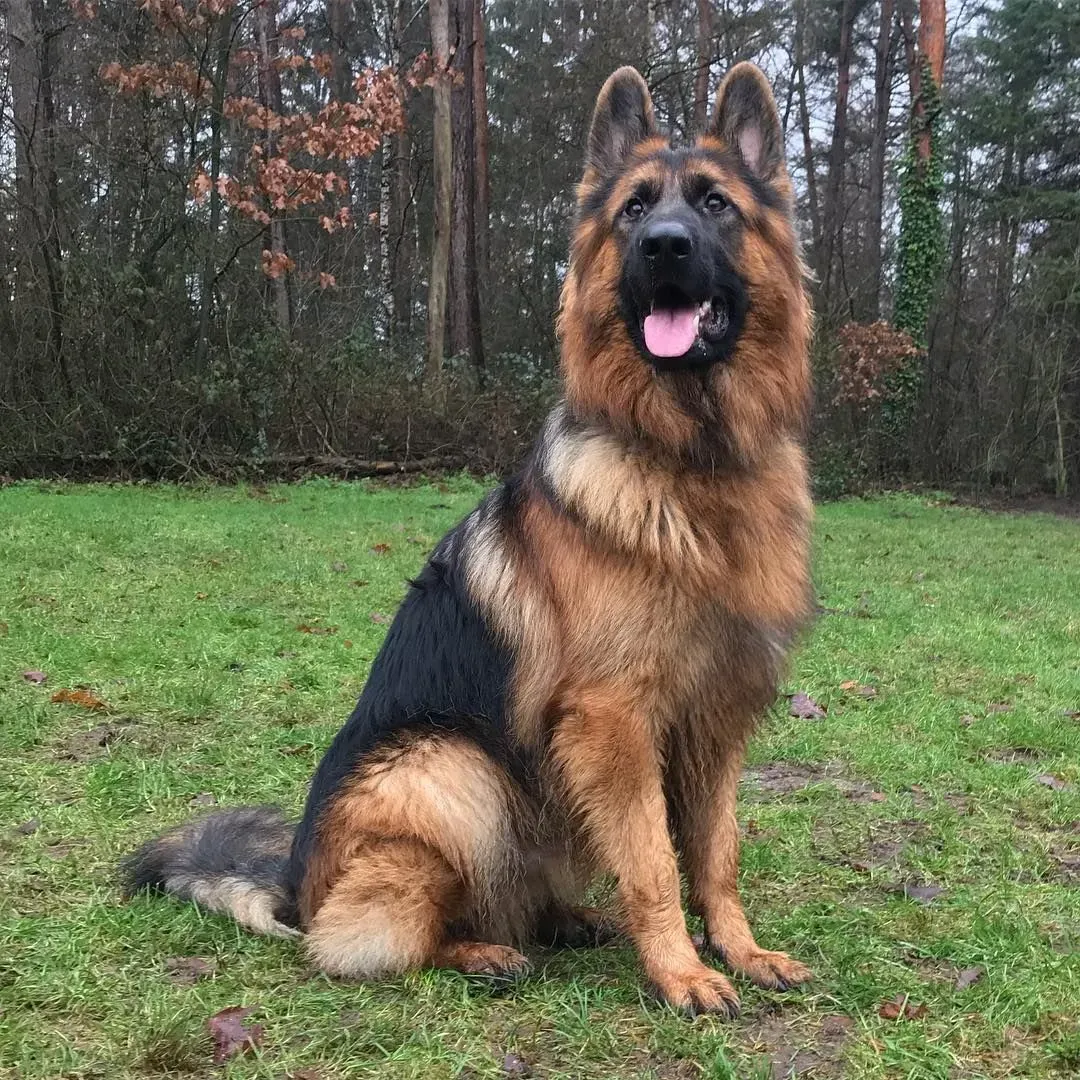
Let us start with the most important question you are probably here for.
The German Shepherd lifespan is typically 9 to 13 years, with most well-bred, well-cared-for dogs landing between 10 and 12 years. That is the honest, vetted answer that most leading vets and breed organizations agree on as of 2026.
Now, 9 to 13 years might sound like a wide range, and it is. That gap exists because a GSD’s life is shaped by so many things. Genetics, diet, exercise, the quality of their early puppyhood, and even where they live all play a role.
A German Shepherd who gets regular checkups, balanced food, daily walks, and lots of love? That dog has a much better shot at hitting 13 years. A GSD raised in a stressful environment, fed poor-quality food, and never seen by a vet? That dog may not even make it to 10.
This is not meant to scare you. It is meant to show you that you have more control over your German Shepherd’s age than you think.
Quick Fact: A 2022 study from the University of Zurich found that German Shepherds fed balanced, life-stage-appropriate diets lived an average of 1.8 years longer than those who were overfed or given improper nutrition.
German Shepherd History: Why It Matters for Lifespan
You might be wondering: what does history have to do with how long my dog lives?
Quite a lot, actually.
The German Shepherd was founded in 1899 by Max von Stephanitz in Germany. He wanted a versatile working dog, one with intelligence, strength, endurance, and a strong work ethic. He hand-selected the best herding dogs of his era and established the Verein für Deutsche Schäferhunde (SV), the official German Shepherd breed club.
That original vision matters because it set the genetic blueprint for a dog built to work, not just look good. The breed’s health problems today, particularly hip dysplasia and joint issues, are largely a consequence of modern breeding practices that drifted away from that functional foundation.
Dogs bred close to the original working standard, with correct structure and no extreme angulation, tend to have better long-term joint health and by extension a longer, more comfortable German Shepherd age. This is why choosing a reputable breeder who prioritizes health and function over appearance is so critical.
German Shepherd Lifespan by Type and Coat

Not all German Shepherds are the same. The types of German Shepherd you choose can influence how long they live.
| German Shepherd Type | Average Lifespan | Key Notes |
|---|---|---|
| Show Line / Companion GSD | 11 to 13 years | Less joint stress when structurally correct, calmer temperament |
| Working Line GSD | 9 to 11 years | Higher physical demand, more joint wear over time |
| Long Coat German Shepherd | 10 to 13 years | Same range as standard, requires more grooming |
| Double Coat German Shepherd | 10 to 13 years | Standard breed coat, all purebred GSDs are double-coated |
| Black German Shepherd | 10 to 13 years | Same lifespan, rare color variation |
| White German Shepherd | 10 to 12 years | Slight sensitivity to skin issues in some lines |
Important correction on coat types: All purebred German Shepherds are double-coated. The idea of a “single coat” GSD is a common misconception. True single-coated dogs (with no undercoat) are rare and are considered a fault by breed standards. What many people call “single coat” is simply a shorter or thinner version of the standard double coat.
The coat type, whether it is a long coat German Shepherd, a double coat German Shepherd, or a German Shepherd short coat, does not directly determine lifespan. But coat health is a reflection of overall health. A dull, dry, or excessively shedding coat can signal internal problems worth investigating.
The King Long Haired German Shepherd sits in the same 10 to 13-year lifespan range. This majestic variant needs extra grooming care to avoid skin issues that could affect quality of life over time.
Understanding German Shepherd Colors

One thing that surprises many new GSD owners is how many color variations exist, and what is actually accepted by breed standards.
Accepted and common German Shepherd colors:
- Black and tan (most common and widely seen)
- Black and red (a richer, deeper tan)
- Sable (each hair is banded with multiple colors)
- Solid black (Black German Shepherd — rarer, fully accepted)
- Bi-color (mostly black with tan on feet and face)
- Black and cream / Black and silver
Less common or faulted in some standards:
- White German Shepherd (sometimes registered as a separate breed, the White Swiss Shepherd, in certain countries)
- Blue, liver, and panda patterns are considered faults in most breed standards
Here is what matters for your decision: German Shepherd colors do not affect temperament or intelligence. A brown German Shepherd, a golden German Shepherd, or a black and white German Shepherd is just as capable and just as long-lived as any other color variation. Do not pay a premium for rare colors from breeders who use color as a selling point over health testing.
Top Factors That Affect German Shepherd Lifespan
So what actually shortens or extends a German Shepherd’s age? Let us break it down clearly.
1. Genetics and Breeding Quality
This is the foundation everything else sits on. A GSD from a reputable breeder who tests parents for hip dysplasia, elbow dysplasia, degenerative myelopathy, and heart conditions starts life with a significantly better hand. Dogs bred from healthy lineages simply tend to live longer.
2. Nutrition and German Shepherd Food
What goes into the bowl every day matters enormously. High-quality German Shepherd food rich in protein, healthy fats, and essential vitamins supports joint health, digestion, immunity, and energy levels, all of which feed directly into a longer German Shepherd lifespan.
3. Exercise and Activity Level
GSDs are working dogs at heart. They need daily exercise, 1 to 2 hours of physical activity plus mental work. But too much intense activity during puppyhood, especially in German Shepherd babies and German Shepherd puppies under 18 months, can damage developing joints and reduce long-term lifespan. Balance is everything.
4. Veterinary Care
Regular vet visits catch problems early. This is not negotiable if you want your dog to live long. Annual screenings, dental care, vaccinations, and parasite control all contribute to extending a German Shepherd lifespan. A preventive gastropexy surgery (to prevent stomach twisting) is also worth discussing with your vet if bloat risk concerns you.
5. Stress and Mental Well-being
German Shepherds are highly intelligent dogs. A bored or anxious GSD develops behavioural problems, and prolonged stress has been shown to trigger earlier onset of age-related health issues. Mental stimulation is not optional. It is as important as physical exercise.
6. Spaying and Neutering
Studies suggest that neutering or spaying your GSD at the appropriate age (typically 18 to 24 months for large breeds) can reduce certain cancer risks. Timing matters here. Too early, and you may disrupt hormonal development that supports joint growth. Speak to your vet for personalised advice.
7. Weight Management
This one is underestimated by many owners. Every extra kilogram on a GSD’s frame adds pressure to joints, the heart, and internal organs. Maintaining a lean, healthy body weight throughout life is one of the single most impactful things you can do for your dog’s longevity.
Common Health Issues in German Shepherds

If you want to understand German Shepherd lifespan, you need to understand what cuts it short. Here are the most common health problems this breed faces.
Hip and Elbow Dysplasia
This is the headline issue. According to the Orthopedic Foundation for Animals (OFA), approximately 15 to 20% of German Shepherds show signs of hip dysplasia. It is a genetic joint problem where the hip socket does not form correctly, leading to arthritis, pain, and reduced mobility over time.
Symptoms to watch for:
- Reluctance to climb stairs
- Difficulty rising from rest
- A bunny-hopping gait when running
- Visible stiffness after exercise
- Favoring one rear leg
Elbow dysplasia is a separate but related issue, and it is the most common reason for front-leg lameness in GSDs. Both conditions are primarily genetic, though rapid growth, obesity, and over-exercise in puppyhood can make them significantly worse.
Degenerative Myelopathy (DM)
This is a progressive nerve disease that affects older GSDs, usually from age 7 onwards. It starts with hind leg weakness and can eventually lead to full paralysis. It is genetic, and there is currently no cure. However, physical therapy, hydrotherapy, and careful management can slow progression and improve quality of life.
Bloat (Gastric Dilatation-Volvulus / GDV)
German Shepherds have a deep, narrow chest, which puts them near the top of nearly every breed-risk list for bloat. This is a life-threatening condition where the stomach fills with gas and twists on itself, cutting off blood supply. Without immediate emergency care, it is fatal within hours.
Prevention measures:
- Feed two or three smaller meals per day instead of one large one
- Avoid vigorous exercise for at least an hour before and after meals
- Use a slow-feeder bowl to reduce the speed of eating
- Ask your vet about preventive gastropexy surgery, especially for high-risk dogs
Exocrine Pancreatic Insufficiency (EPI)
The pancreas fails to produce enough digestive enzymes, leading to malnutrition despite the dog eating normally or even ravenously. Signs include chronic diarrhea, weight loss, and a dull coat. It is manageable with lifelong enzyme supplement therapy, but early diagnosis is key.
Cancer
This is one that many GSD owners are not prepared for. German Shepherds, like many larger breeds, are at elevated risk for certain cancers as they age. Hemangiosarcoma (a cancer of the blood vessel walls, often affecting the spleen or heart) is one of the more common and aggressive forms seen in this breed. Regular vet checkups that include abdominal palpation and bloodwork from age 5 onwards are the best early-detection tool available.
Skin Allergies and Dermatitis
Many German Shepherd colors and coat types can be prone to skin allergies and dermatitis, especially environmental allergies (pollen, dust mites) and food sensitivities. These are rarely life-threatening but significantly affect quality of life, cause chronic discomfort, and can lead to secondary infections if unmanaged.
German Shepherd Lifespan Stages
Understanding the different German Shepherd age stages helps you give the right care at the right time.
| Life Stage | Age Range | Key Care Focus |
|---|---|---|
| German Shepherd Puppy (Baby) | 0 to 6 months | Socialization, light exercise, core vaccinations |
| Juvenile | 6 to 18 months | Controlled exercise, obedience training, avoid overexertion |
| Adolescent | 18 months to 2 years | Full training, spay/neuter discussion with vet |
| Adult (Prime Years) | 2 to 7 years | Consistent exercise (1-2 hrs/day), annual vet checks, dental care |
| Senior | 7 years and above | Joint support, senior diet, more frequent vet visits, cancer screening |
A German Shepherd female often matures slightly faster than males but shares the same general lifespan range. The German Shepherd temperament tends to mellow a little as they age, but their need for companionship, activity, and mental engagement never fully disappears, even in the senior years.
German Shepherd Food and Its Role in Longevity
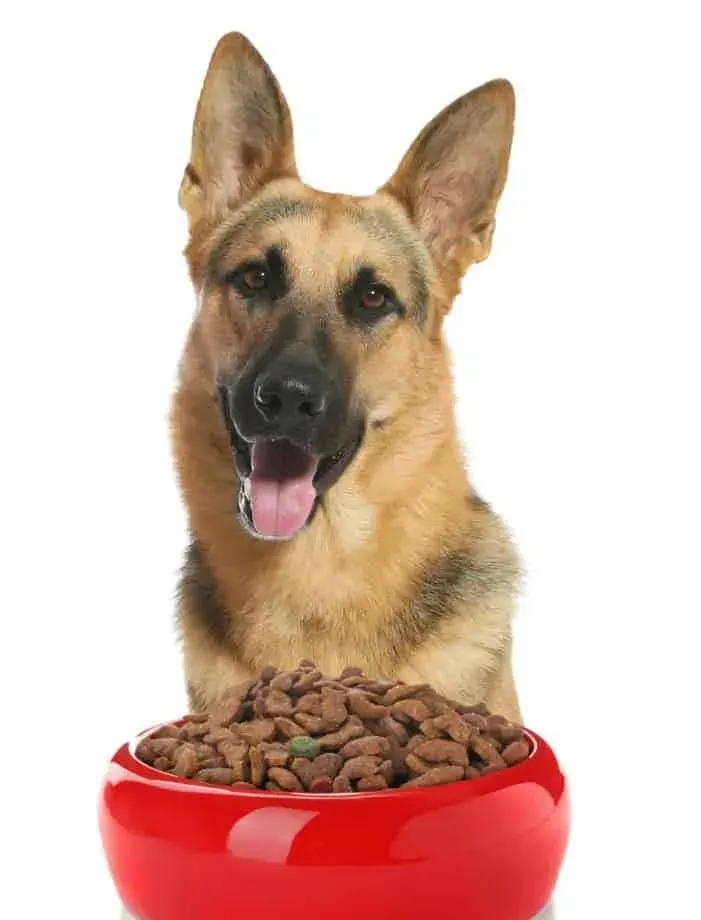
You are what you eat, and so is your dog.
Proper German Shepherd food can genuinely add years to your GSD’s life. Here is what a good diet looks like at each stage.
For German Shepherd Puppies (German Shepherd Baby): Feed large-breed puppy formula food designed for controlled growth. Avoid high-calcium diets in puppyhood as they can accelerate bone growth unevenly and lead to joint problems. This stage sets the foundation for everything that follows.
For Adult German Shepherds: Look for food with:
- Chicken, lamb, or fish as the first listed ingredient
- Omega-3 fatty acids (DHA and EPA) for joint and brain support
- Probiotics or prebiotics for gut health (GSDs have notoriously sensitive digestive systems)
- Glucosamine and chondroitin for cartilage protection
- No artificial preservatives, colours, or excessive fillers
For Senior German Shepherds (7+ years): Shift to a senior formula with lower calories (to prevent weight gain as activity reduces), higher fibre, and added joint support. Many owners also add a fish oil supplement at this stage. Your vet can guide the specific transition.
Avoid overfeeding at all costs. Obesity is one of the fastest ways to shorten a German Shepherd lifespan. It places extra pressure on joints, the heart, and internal organs, and it accelerates the onset of arthritis in dogs already predisposed to hip and elbow problems.
German Shepherd Training and Mental Health

Here is something many owners overlook. German Shepherd training is not just about behaviour. It is about mental health, and mental health directly impacts longevity.
German Shepherds were bred to work. They need a job, even if that job is learning new tricks, completing agility courses, doing nose work, or simply solving puzzle feeders at home. A mentally engaged GSD is a happier, healthier, longer-lived GSD.
Poor mental health in German Shepherds shows up as:
- Destructive chewing and digging
- Excessive barking
- Separation anxiety
- Reactivity and aggression
- Compulsive behaviours like tail-chasing
These behaviours increase cortisol (stress hormone) levels in the body. Chronically elevated cortisol suppresses immune function, disrupts digestion, and accelerates physical aging. This is why consistent, positive-reinforcement-based German Shepherd training from puppyhood is not optional. It is life-extending medicine.
Under-exercised and under-stimulated GSDs often develop anxious or destructive behaviours within weeks. The breed is simply too intelligent to sit idle.
German Shepherd Grooming and Coat Health
All purebred German Shepherds, regardless of whether they are a long coat German Shepherd or a German Shepherd short coat, are double-coated. That means they have a dense, soft undercoat for insulation and a harsher, weather-resistant outer coat on top.
Grooming basics that protect health:
- Brush 2 to 3 times per week during normal periods
- Brush daily during the two annual “coat blowouts” (spring and autumn) when shedding is intense
- Bathe every 4 to 6 weeks with a dog-specific shampoo to avoid stripping natural oils
- Check ears weekly for infection (redness, odour, discharge)
- Brush teeth at least 3 times per week to prevent dental disease
- Trim nails every 3 to 4 weeks to avoid posture problems that lead to joint stress
One critical rule: Never shave a double-coated dog. The double coat regulates body temperature in both heat and cold. Shaving it destroys this system, leaves the skin exposed to UV damage, and can permanently alter coat regrowth. This is a common mistake that many owners make in hot climates like India’s, thinking it will cool the dog down. It does the opposite.
Coat problems like excessive dandruff, hot spots, or bald patches are often signs of nutritional deficiency, allergies, or thyroid issues. These should be investigated by a vet rather than treated with grooming alone.
German Shepherd Cost in India (2026)
Let us talk numbers. If you are thinking about bringing home a GSD, understanding the full German Shepherd cost upfront prevents nasty surprises later.
German Shepherd Puppy Price in India (2026)
| Quality Tier | German Shepherd Baby / Puppy Price |
|---|---|
| Basic Pet Quality | ₹18,000 to ₹35,000 |
| Good Breeder Quality | ₹28,000 to ₹45,000 |
| KCI Registered | ₹35,000 to ₹60,000+ |
| Show / Champion Bloodline | ₹50,000 to ₹1,00,000+ |
| Working Line | ₹45,000 to ₹1,20,000+ |
| Long Coat German Shepherd | ₹40,000 to ₹80,000 |
| Black German Shepherd Puppy Price | ₹30,000 to ₹70,000+ |
| White German Shepherd Puppy Price | ₹35,000 to ₹80,000+ |
| Imported / Premium Bloodline | ₹1,00,000 to ₹3,00,000+ |
Full Grown German Shepherd Price in India
A trained adult or show-quality adult German Shepherd typically costs:
- Adult Pet Quality (adoption/resale): ₹10,000 to ₹30,000
- Trained Adult Working GSD: ₹80,000 to ₹3,50,000+
The German Shepherd rate varies meaningfully by city. Metro cities like Mumbai, Delhi NCR, and Bangalore command higher prices. Cities like Kolkata, Lucknow, and smaller towns tend to be somewhat lower.
Monthly Maintenance Cost of a German Shepherd in India
| Expense | Monthly Estimate |
|---|---|
| German Shepherd Food | ₹3,000 to ₹6,000+ |
| Grooming | ₹800 to ₹2,000 |
| Vet and vaccinations (average) | ₹1,000 to ₹3,000 |
| Accessories and treats | ₹500 to ₹1,500 |
| Total Monthly Estimate | ₹5,300 to ₹12,500+ |
The first year of owning a GSD in India can cost close to ₹1.5 lakh or more when you combine the German Shepherd price in India with initial setup, vaccinations, and vet visits. Plan your budget carefully before bringing one home.
Note on German Shepherd Cross Breed: A German Shepherd cross breed like a GSD-Labrador (Sheprador) or GSD-Husky (Gerberian Shepsky) typically costs less than a purebred and may sometimes benefit from hybrid vigour with a reduced frequency of inherited genetic health issues. However, this is not guaranteed and depends heavily on the health of both parent breeds. Always research both sides of any cross.
9 Proven Ways to Help Your GSD Live Longer
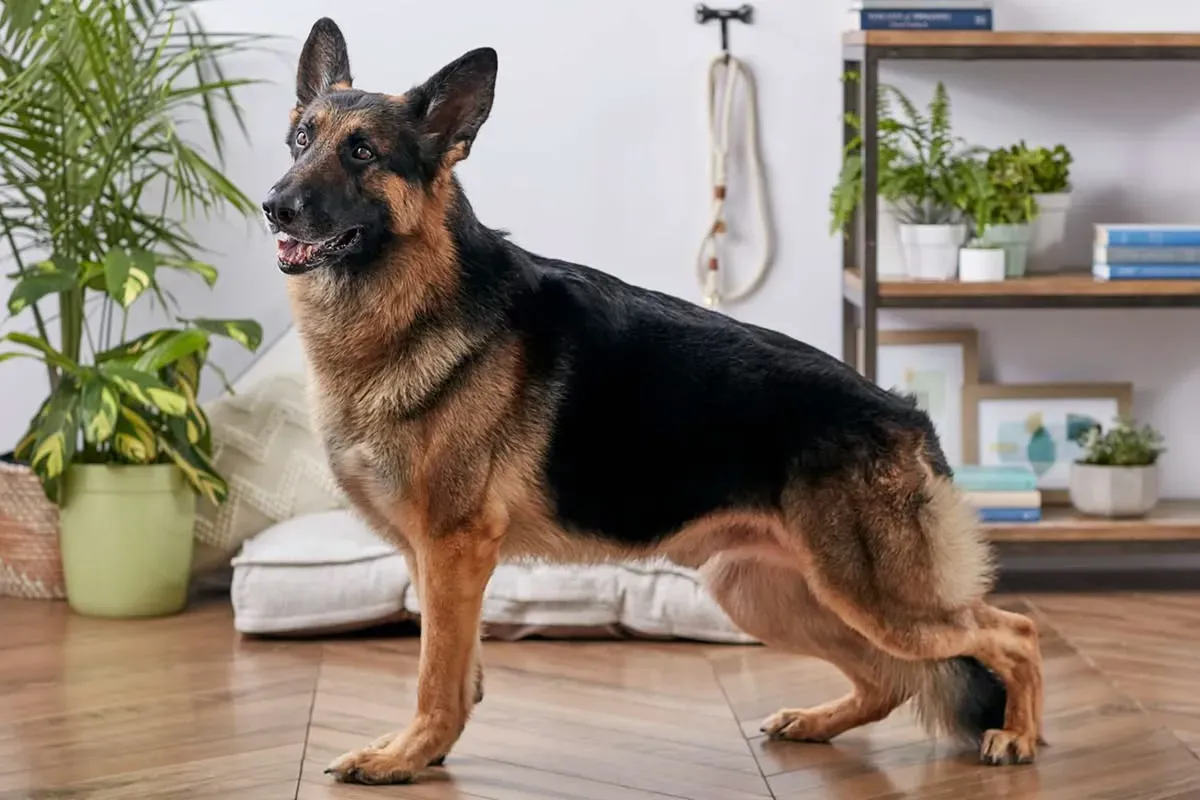
Here are real, actionable things you can do today to extend your German Shepherd lifespan.
1. Choose a Reputable Breeder
Start right. A breeder who screens both parents for hip dysplasia, elbow dysplasia, degenerative myelopathy, and cardiac conditions gives your puppy the best possible genetic start. Never buy from a puppy mill or an unverified backyard breeder.
2. Feed High-Quality, Age-Appropriate Food
Rotate between quality protein sources, avoid fillers and artificial additives, and adjust the diet as your dog transitions through life stages. Nutrition is one of the biggest levers you have over your dog’s lifespan.
3. Control Exercise During Puppyhood
No long runs, intense agility work, or jumping activities before 18 months. Let those joints develop properly. Short, frequent walks are ideal for German Shepherd puppies. The bones and cartilage are not ready for high impact until full skeletal maturity.
4. Maintain a Healthy Weight
If you cannot feel your dog’s ribs with gentle pressure, they are overweight. Talk to your vet about appropriate portion sizes. This single habit can add years to a GSD’s life.
5. Never Skip Annual Vet Visits
Early detection of conditions like hip dysplasia, heart disease, EPI, or early-stage cancer can add literal years to your dog’s life. Once symptoms are obvious, the window for intervention is often narrower.
6. Invest in Dental Care
Brush your GSD’s teeth at least three times a week or use veterinary-approved dental chews. Untreated dental disease leads to bacterial infections that can damage the heart, kidneys, and liver over time.
7. Train Consistently
Daily training keeps the mind sharp and stress hormones low. A well-trained, mentally stimulated GSD is a healthier GSD. Even 15 minutes of focused training per day makes a measurable difference in behaviour and wellbeing.
8. Use Joint Supplements Proactively
From around age 4 to 5, consider adding glucosamine, chondroitin, and omega-3 supplements to your dog’s diet, particularly if hip dysplasia runs in the bloodline or early stiffness is noticed after rest.
9. Create a Low-Stress, Consistent Environment
Avoid loud, chaotic, or unpredictable environments where possible. Provide your GSD with a safe space, a consistent daily routine, and adequate social interaction. Consistent routines lower anxiety and cortisol levels, which helps the body stay healthier for longer.
Belgian Malinois vs German Shepherd Lifespan
This comparison comes up often. Let us look at it directly and honestly.
| Trait | Belgian Malinois | German Shepherd |
|---|---|---|
| Average Lifespan | 12 to 14 years | 9 to 13 years (avg. 10 to 12) |
| Size | Medium | Medium to Large |
| Health Issues | Fewer joint issues | More prone to hip/elbow dysplasia |
| Energy Level | Extremely high | Very high |
| Trainability | Very high | Very high |
| Male | 60 to 66 cm | 60 to 65 cm |
| Female) | 56 to 61 cm | 55 to 60 cm |
| Bite Force | ~195 PSI | ~238 PSI |
| Temperament | Intense, high-drive | Confident, loyal, more family-adaptable |
| Suitable for Families | With experienced owners | Yes, with proper training |
The Belgian Malinois does tend to live slightly longer on average. This is partly because they carry less body mass, which reduces joint stress over a lifetime. The GSD’s slightly heavier frame and common breeding towards exaggerated angulation in some show lines puts extra mechanical pressure on the hips and spine.
That said, a well-bred, well-cared-for German Shepherd absolutely can outlive a poorly bred or neglected Malinois. These averages reflect population trends, not individual destinies.
If you are choosing between the two: the Malinois is an extremely high-drive, intense working dog. It is more demanding than even the GSD and is genuinely not suitable for most family environments without highly experienced handling. For most households, the German Shepherd temperament is a significantly better fit.
Is a German Shepherd Right for You?
Since you are reading this article, you are likely weighing whether to bring a GSD home or how to give your current one the best possible life. Let us be honest about both sides.
A German Shepherd is a great fit if you:
- Lead an active lifestyle and can commit to 1 to 2 hours of daily exercise
- Are willing to invest time in consistent training and socialisation
- Want a loyal, protective, deeply bonded family companion
- Can handle heavy shedding year-round (and two intense seasonal blowouts)
- Are financially prepared for a German Shepherd cost that includes regular vet care, quality food, and grooming
Think carefully before getting a GSD if you:
- Prefer a low-energy or low-maintenance dog
- Live in a very small apartment with no outdoor access
- Are a first-time dog owner who is not committed to formal training
- Dislike dog hair on furniture, clothing, and everywhere else
- Cannot afford the ongoing monthly costs, which in India typically run ₹5,000 to ₹12,500 per month
The German Shepherd lifespan can be a beautiful 13 years with the right owner. Or it can be a difficult, health-problem-riddled 9 years with the wrong one. The breed deserves an owner who goes in with full awareness.
Disclaimer: This article is for informational purposes only and does not substitute professional veterinary advice. Always consult a licensed veterinarian for health, dietary, and medical decisions related to your German Shepherd. Prices mentioned are approximate and subject to market variation across cities and breeders.
Conclusion
The German Shepherd lifespan is 9 to 13 years on average, with most well-bred dogs living 10 to 12 years when given proper care.
But that number is not fixed. It is not fate. It is a starting point that you have the power to push further in the right direction.
The food you choose, the vet visits you schedule, the training you invest in, the grooming routine you maintain, and the love and stability you provide all shape how long your GSD stays by your side.
Whether you have a German Shepherd baby you just brought home, a full-grown adult in their prime years, or a greying senior who has been your loyal companion for a decade, the principles are the same. Good nutrition, preventive healthcare, mental stimulation, appropriate grooming, and a low-stress home environment are the best gifts you can give your dog.
German Shepherds, whether black German Shepherds, white German Shepherds, long coat or double coat, working line or show line, give you everything they have. The least we can do is give them the best possible life in return.
FAQs: German Shepherd lifespan
Q1. How long do German Shepherds live?
The average German Shepherd lifespan is 9 to 13 years, with most living 10 to 12 years.
Q2. Can a German Shepherd live to 15?
Yes, but it is rare. It takes excellent genetics, consistent vet care, a quality diet, and a low-stress home.
Q3. Do female German Shepherds live longer than males?
Slightly, but the difference is small. Care quality matters far more than gender.
Q4. At what age is a German Shepherd considered senior?
Around 7 years old. That is when joint support, senior food, and more frequent vet visits become important.
Q5. What is the most common cause of death in German Shepherds?
Musculoskeletal disorders (hip dysplasia, degenerative myelopathy), cancer, and bloat are the leading causes.
Q6. Does coat type affect German Shepherd lifespan?
No. Long coat, short coat, double coat — none of it changes how long they live.
Q7. What food is best for a German Shepherd lifespan?
High-protein, large-breed food with omega-3s, probiotics, and glucosamine. Quality in the first two years sets the foundation.
Q8. How much does a German Shepherd puppy cost in India in 2026? Between ₹18,000 and ₹3,00,000+ depending on lineage, coat, and breeder quality. KCI-registered puppies start around ₹35,000.
Q9. Which lives longer, a Belgian Malinois or a German Shepherd?
The Belgian Malinois (12 to 14 years) lives slightly longer than the GSD (9 to 13 years), mainly due to smaller body size and fewer joint issues.
Q10. Can I prevent hip dysplasia in my German Shepherd?
Not entirely if it is genetic, but you can reduce its severity. Buy from health-tested parents, control puppyhood exercise, keep weight lean, and start joint supplements around age 4 to 5.
Q11. How many hours of exercise does a German Shepherd need daily?
1 to 2 hours of physical activity plus mental stimulation. Under-exercising a GSD leads to stress, anxiety, and health problems.
Q12. Is a German Shepherd good for first-time dog owners?
Honestly, it is challenging. They need consistent training, daily exercise, and firm boundaries. Manageable for committed first-timers, but not a low-effort breed.
👉 Thank you for reading all the way through! Read Also Previous Blog: [Raj Thackeray Dog]
