

The John Wick dog is a Beagle puppy named Daisy. She was a posthumous gift from John’s dying wife, Helen. Iosef Tarasov’s thugs kill her during a home invasion, and that single act sends the world’s deadliest assassin on an unstoppable path of revenge. Daisy appears on screen for only a few minutes, but she is the emotional engine of an entire four-film franchise.
John Wick Dog At A Glance
| Stat | Detail |
|---|---|
| Dog’s Name | Daisy |
| Breed | Beagle (Tricolor) |
| Owner | John Wick (Keanu Reeves) |
| Gift From | Helen Wick (John’s late wife) |
| Killed By | Iosef Tarasov’s men |
| Real Dog Actor | Andy, a male Beagle puppy |
| Trainer | Andrew Simpson |
| Screen Time | Approx. 8 to 10 minutes |
| Film Debut | John Wick (2014) |
| Franchise Role | Catalyst for the entire revenge story |
Who Is the John Wick Dog?
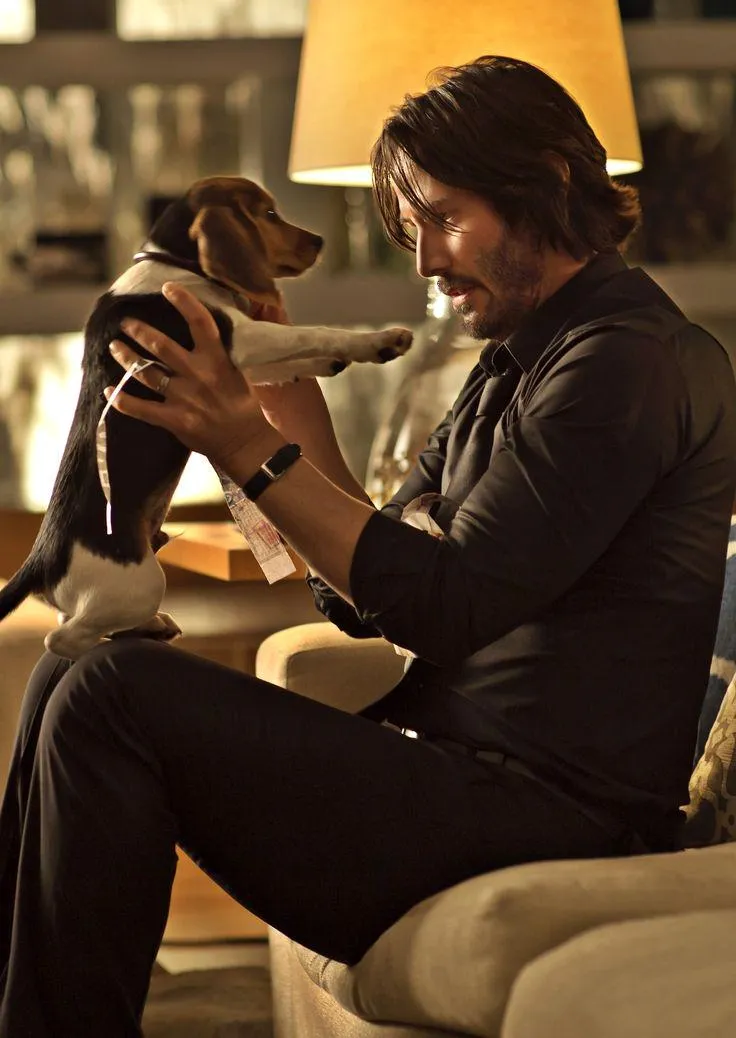
Let me ask you something. Have you ever watched an action movie and thought, “I do not care about any of these car chases, but please do not hurt that dog”?
That is exactly what happened to audiences worldwide in 2014 when they met the John Wick dog for the first time.
Her name is Daisy. She is a small Beagle puppy. She barely gets ten minutes of screen time. And yet, she is the single most important character in the entire John Wick universe.
Here is the setup. John Wick is a retired assassin, one of the best who ever lived. His wife, Helen, dies of a terminal illness. Before she passes, Helen arranges for a Beagle puppy to be delivered to John after her death. It is her way of giving him something to love, something to keep him going.
That puppy is Daisy. And for a brief, beautiful moment, it works. John bonds with her instantly. He takes her for car rides in his prized 1969 Ford Mustang. She wakes him up before the alarm goes off. She sneaks into his bed. For a grieving man living alone in a cold house, Daisy is everything.
Then Iosef Tarasov shows up, and everything falls apart.
John Wick Dog Breed: Why a Beagle?

So what is the John Wick dog breed, exactly?
Daisy is a Beagle, specifically a tricolor Beagle puppy.
| Feature | Detail |
|---|---|
| Breed | Beagle (Tricolor) |
| AKC Group | Hound Group |
| Size | Small to Medium |
| Temperament | Friendly, Curious, Loyal |
| Known For | Scent tracking, gentle nature |
| Life Expectancy | 10 to 15 years |
Beagles are not random picks. They are one of the most expressive dog breeds in the world. Their big brown eyes communicate emotion in a way that almost no other dog can match. When Daisy looks at John, the audience feels it. That emotional connection is intentional.
According to the John Wick fandom wiki, Beagles are also historically used as hunting dogs, which adds a quiet irony. The dog that triggers the world’s most lethal hunter is herself a breed born for the hunt.
Interestingly, the filmmakers almost did not go with the dog-killing angle. They were worried audiences would reject the movie entirely. The argument that won the day? The death of the dog was “key” to John Wick’s story. They were right.
John Wick Dog Name: The Story Behind “Daisy”

The John Wick dog name is Daisy, and it is not accidental.
Helen, John’s late wife, had a bracelet decorated with daisy flowers. It is strongly suggested that daisies were her favorite flower. By naming the puppy Daisy, Helen created a living, breathing symbol of herself. Every time John looked at that dog, he saw his wife.
That is what makes the John Wick dog death so brutal. It is not just a puppy dying. It is the last piece of Helen being taken from him.
There is also an interesting fan theory that Daisy may be a nod to Daisy the rabbit, the beloved pet of Doomguy from the classic video game DOOM. In that story, the killing of Doomguy’s rabbit also triggers a legendary massacre. Both characters share the same name. Both deaths spark the same kind of unstoppable fury. Coincidence? The writers have never confirmed it, but the parallel is hard to ignore.
John Wick Dog Death Scene: What Really Happened
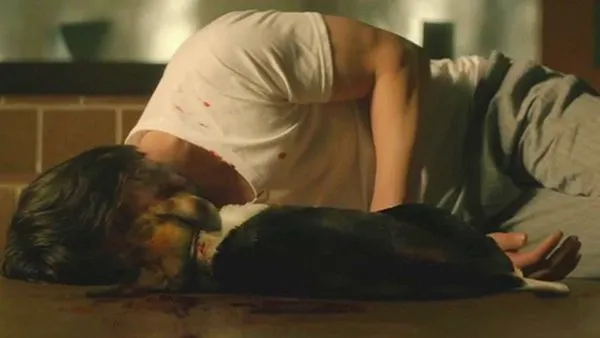
This is the scene that changed everything. Let us walk through it clearly.
Iosef Tarasov, the spoiled son of a Russian crime boss, spots John’s 1969 Ford Mustang and wants it. He and his men break into John’s home in the middle of the night. They beat John unconscious. They steal the car.
And they kill Daisy.
The John Wick dog death is shown without any softening. John wakes up on the floor, and Daisy is lying beside him, gone. He holds her. He does not speak. He just holds her, and the silence in that scene does more emotional work than any dialogue could.
Later, John buries Daisy outside his home. That is when the audience understands. This is not an action movie about a car. This is a movie about grief, and about what happens when the last thing anchoring a person to love is ripped away.
Here is what makes the John Wick dog revenge scene that follows so satisfying: John is not just angry. He is heartbroken. And there is a difference.
John Wick Dog Revenge Scene: One Puppy, One Thousand Bodies

What follows the John Wick dog revenge scene is arguably one of the most efficiently brutal sequences in modern action cinema history.
John digs up a cement floor in his basement, retrieves his old weapons, his old suit, and his old identity. The Boogeyman is back.
He then tears through the entire Tarasov crime organization, killing over 70 men in Chapter 1 alone. Every fight, every bullet, every broken bone traces back to one small Beagle puppy and the woman she represented.
The revenge scene works because the audience is completely on John’s side. Nobody questions whether it is proportionate. The moment Daisy died, the moral calculus of the entire film shifted. We want John to burn it all down. And he does.
Director Chad Stahelski, who comes from a professional stunt background, built the action sequences around this emotional reality. Every choreographed fight is, at its root, a man grieving in the only language he knows.
John Wick Dog Quotes: Lines That Hit Differently
Some of the most memorable John Wick dog quotes are not about action. They are about loss.
Here are the most iconic lines connected to the John Wick dog:
| Quote | Context |
|---|---|
| “I lost everything. That dog was a final gift from my dying wife.” | John explaining Daisy to Viggo Tarasov |
| “That was my son.” / “And that was my wife’s gift to me.” | The exchange that defines the entire conflict |
| “It’s not just a puppy.” | Viggo to Iosef, realizing what his son has done |
The exchange between John and Viggo Tarasov is one of the best-written confrontation scenes in the franchise. Viggo tries to reason with John. He points out that it was just a dog. John’s answer is quiet, final, and devastating.
He is not saying the dog mattered more than a human life. He is saying that Daisy was the last thread connecting him to the person he loved most. And that thread has been cut.
“He’s not the boogeyman. He’s the one you send to kill the boogeyman.”
That line, spoken by Viggo about John, tells you everything. And it all started because of one Beagle puppy.
Dogs Across the Franchise: From Daisy to Chapter 4
The John Wick dog story does not end with Daisy. Dogs remain central to every film in the franchise. Here is a quick breakdown:
John Wick (2014):
Daisy the Beagle. The catalyst. Killed in the first act.

John Wick: Chapter 2 (2017):

After Daisy’s death, John rescues an unnamed Pit Bull from a shelter that was about to be euthanized. In the spirit of “adopt, don’t shop,” this moment added a quiet depth to John’s character. The Pit Bull becomes his loyal companion for Chapters 2 and 3.
John Wick: Chapter 3 (2019):

Sofia Al-Azwar, played by Halle Berry, fights alongside two highly trained Belgian Malinois. These dogs are essentially co-combatants, not just companions. They are trained by expert handlers and their action sequences are some of the most technically impressive in the series.
John Wick: Chapter 4 (2023):
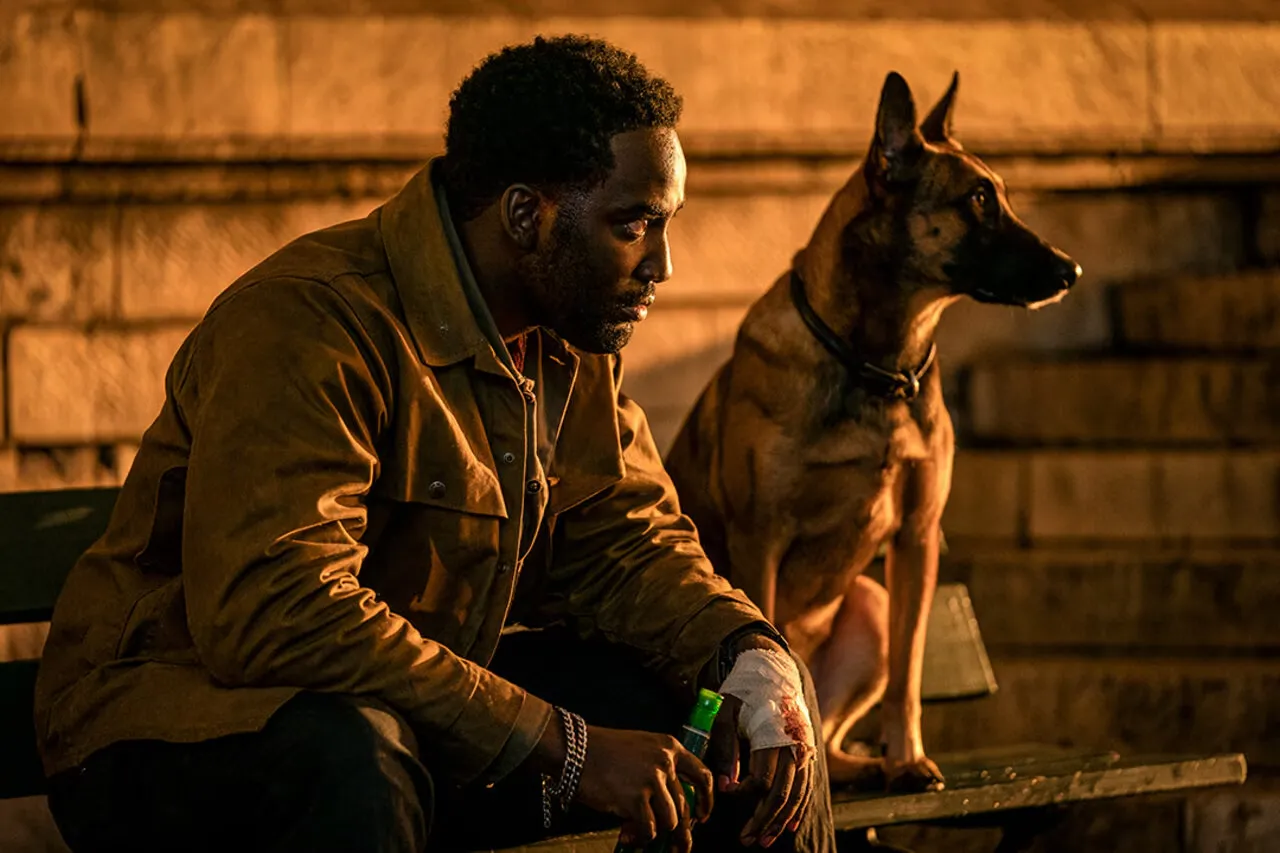
A German Shepherd belonging to a tracker character known as Mr. Nobody plays a key role. In a standout moment, John risks his own life to save the dog, which prompts Mr. Nobody to switch allegiances. The dog in Chapter 4 does not die. The franchise has learned its lesson: kill the dog once for emotional impact, then keep the dogs alive as symbols of loyalty.
Five separate dogs were used to film the Chapter 4 sequences at different stages of production.
The Real Dog Who Played Daisy
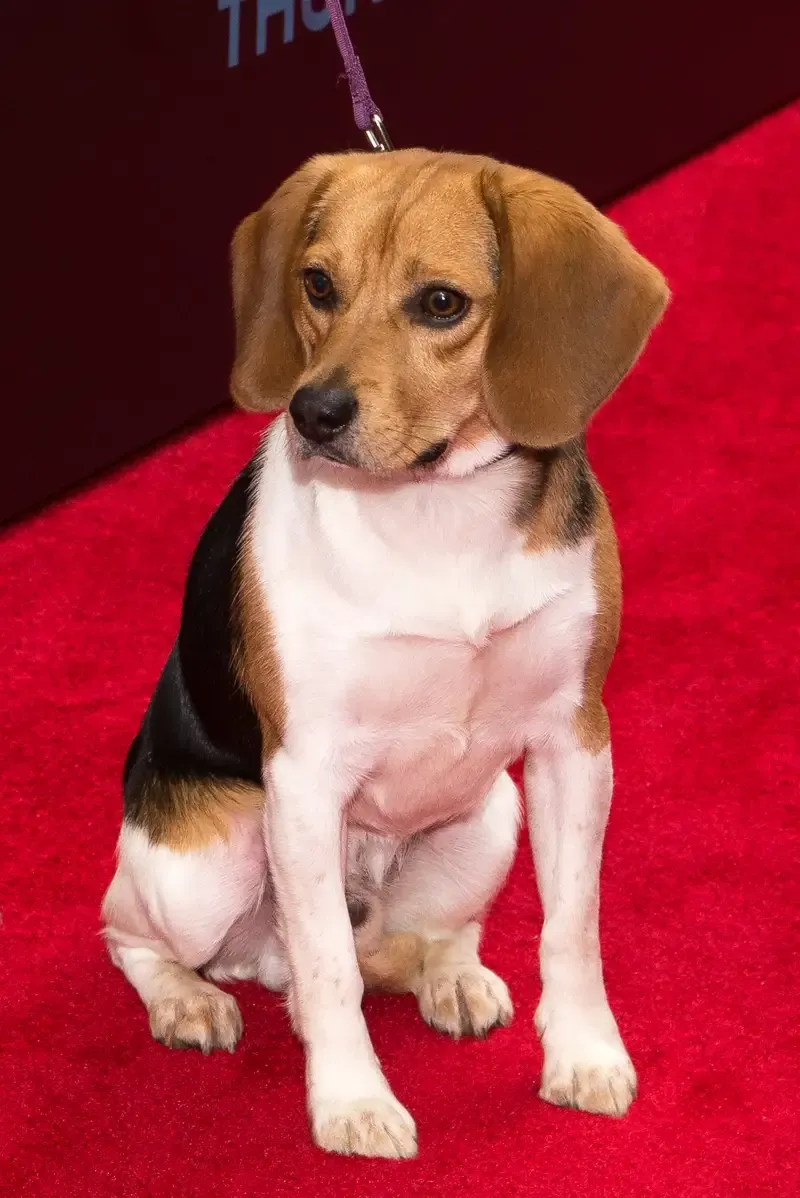
Behind the heartbreaking fiction, there is a real dog who deserves recognition.
Daisy the Beagle was played by a male Beagle puppy named Andy. Andy’s trainer, Kim Krafsky, noted that Andy had a natural “rock star” quality that made him stand out during auditions. That effortless screen presence is exactly what the role needed.
Andy’s performance, though brief, had to carry enormous emotional weight. The scene of Daisy waking John up, rushing to the passenger seat of the Mustang, and greeting him with a lick after being taken out of the cage, all of that required precise, patient training and a genuinely personable dog.
For fans of the franchise, Andy deserves just as much credit as Keanu Reeves for making the first film work.
Behind the Scenes: How the Dog Scenes Were Filmed
You might wonder: how do you film a scene where a puppy appears to be killed, without actually harming the animal?
The answer is careful staging, multiple trained dogs, and a team that took animal welfare seriously from day one.
The production worked with animal trainer Andrew Simpson, who brought years of experience in high-pressure film environments. Multiple Beagle puppies were rotated across shooting days so no single dog was overworked. The “death scene” itself was filmed in careful stages. Daisy never came to any harm. The emotional weight you feel on screen is entirely the result of performance, editing, and Keanu Reeves holding a stuffed stand-in in certain close-up shots.
What many fans do not know is how much time Keanu Reeves spent with the dogs off-camera before filming began. He made a point to build a genuine bond with the animal actors. That comfort shows on screen. The ease between John and Daisy in those early scenes does not look acted, because in a real sense it was not.
The American Humane Association monitored all animal action on set. No animals were harmed during the production of John Wick.
This is also worth saying to anyone who hesitated to watch the first film: the puppy does not suffer on screen. The scene is hard to watch because of what it means, not because of anything graphic. The filmmakers made a deliberate, compassionate choice there.
Should You Own a Beagle After Watching John Wick?
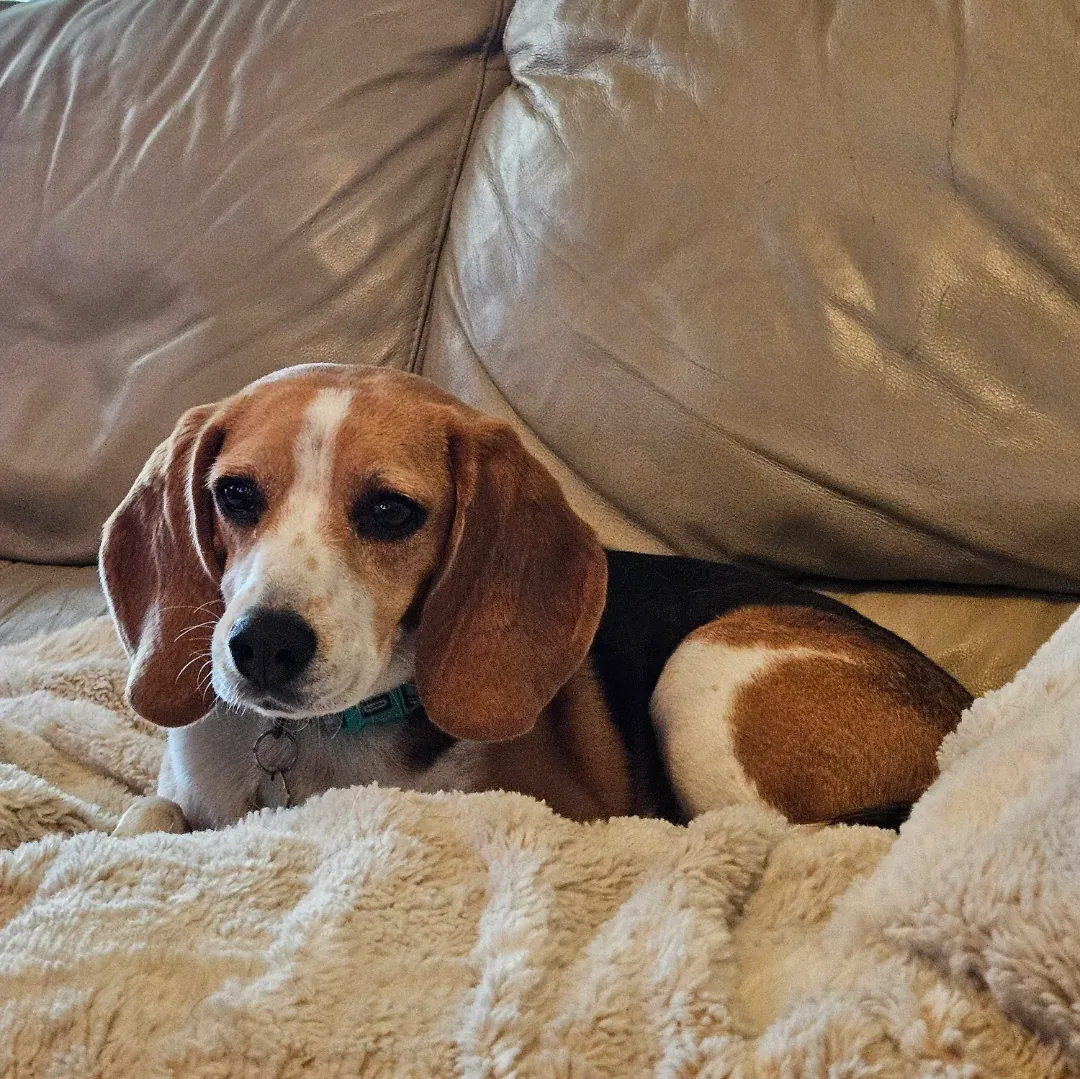
Here is a question a lot of people quietly Google after watching the film: should I get a Beagle?
The honest answer is: maybe, but think it through first.
Beagles are wonderful dogs. They are affectionate, curious, and deeply loyal. They are great with families and adapt well to most living situations. But they are also a breed with very specific needs that a lot of first-time owners underestimate.
Here is what you should know before adopting a Beagle:
| What You Need to Know | The Reality |
|---|---|
| Exercise needs | High. Beagles need at least 1 to 2 hours of activity daily. |
| Separation anxiety | Real. Beagles hate being left alone for long hours. |
| Vocalization | Beagles howl. If you live in an apartment, your neighbors will know. |
| Scent drive | Strong. Off-leash in an open area is risky without solid training. |
| Trainability | Moderate. Smart but stubborn. Patience is essential. |
| Shedding | Moderate year-round. Weekly brushing recommended. |
| Lifespan | 10 to 15 years. This is a long commitment. |
The good news? Beagles are endlessly loving dogs. If you can meet their needs, they will give you exactly what Daisy gave John: uncomplicated, unconditional companionship.
If you are considering adopting, always check your local shelter first. Beagle-specific rescues exist in most countries and are a great starting point. The John Wick franchise itself quietly champions this message in Chapter 2, when John adopts a Pit Bull from a shelter rather than buying from a breeder.
Why a Dog’s Death Works as a Plot Device
Not all movie deaths hit the same way. A human death in a film can feel routine, especially in action movies where characters drop constantly. But a dog’s death? That lands differently for almost every viewer.
Animal behaviorists and film critics have noted this phenomenon for decades. Dogs represent unconditional loyalty. They cannot defend themselves against humans with weapons. They do not understand cruelty. When a dog is harmed on screen, the audience registers it as a violation of something fundamental.
The creative team behind John Wick understood this instinctively. By making Daisy both a symbol of John’s late wife AND a genuinely lovable presence in her own right, they doubled the emotional impact of her death.
It also communicates something important about the villain, Iosef. Killing a Beagle puppy is not just cruel. It is stupid. It shows that he has no idea who he has crossed. That combination of cruelty and stupidity makes him a perfect antagonist.
Beagles rank as one of the most emotionally expressive breeds, which is exactly why this breed, specifically, reads as so vulnerable and lovable on screen.
John Wick Dog’s Cultural Impact
The John Wick dog has become one of the most recognized plot devices in modern cinema. More than a decade after the first film, “John Wick’s dog” is instantly understood cultural shorthand for: do not do this, or you will face the consequences.
The phrase has spawned countless memes, social media jokes, and pop culture references. The basic premise, “a man kills hundreds of people because someone hurt his dog,” has become a template that other films, games, and TV shows have consciously referenced or subverted.
More importantly, the franchise helped shift public discourse around dog welfare. The moment in Chapter 2 where John rescues a Pit Bull from a shelter drew widespread praise from animal rescue organizations. “Adopt, don’t shop” became an actual talking point connected to a mainstream action franchise.
For a small Beagle puppy with ten minutes of screen time, that is a remarkable legacy.
Conclusion
The John Wick dog is one of cinema’s most powerful examples of emotional storytelling through a supporting character. Daisy the Beagle never says a word. She barely lasts past the first act. But without her, there is no John Wick. There is no franchise. There are no sequels, no mythology, no Baba Yaga.
She is the reason everything burns.
The John Wick dog name Daisy is now permanently etched into pop culture history. Her breed, the Beagle, became one of the most searched dog breeds in the world after 2014. The John Wick dog death scene remains one of the most emotionally affecting moments in modern action cinema. And the John Wick dog revenge scene it triggered remains one of the most satisfying.
The next time someone asks you why the John Wick films work so well, you can give them a simple answer: because of a small Beagle puppy, a dying woman’s last gift, and the one man in the world you should never push that far.
FAQs
What is the John Wick dog name?
Daisy.
What is the John Wick dog breed?
A tricolor Beagle puppy.
What happened to the John Wick dog?
Daisy was killed by Iosef Tarasov’s men during a home invasion.
Does the dog die in John Wick?
Yes, in the first film. The dogs in Chapters 2, 3, and 4 all survive.
Who played Daisy in real life?
A male Beagle puppy named Andy.
What dog does John Wick get after Daisy?
An unnamed Pit Bull he rescues from a shelter in Chapter 2.
