

You do not need a yard to have a happy dog. The best picks stay calm indoors, bark little, and need only short daily walks. Top choices include French Bulldogs, Cavalier King Charles Spaniels, Greyhounds and Shih Tzus. Size matters less than energy and noise level. Match the dog to your routine and always check your building rules first.
Why Choosing the Right Dog Breed for Your Apartment Matters
So you live in an apartment and you want a dog. Totally valid. Millions of people do it every day.
But here is the thing — not every dog will thrive in a smaller space. And that is not about being a bad pet parent. It is just biology and temperament. A Border Collie that needs to run five miles a day will be miserable in a studio flat. A Basset Hound? Probably perfectly happy on your couch.
Choosing the right dog breeds for apartments is one of the most important decisions you will make as a pet owner. It affects your dog’s happiness, your neighbours’ sanity, and your own lifestyle. Get it right, and apartment living with a dog becomes one of the most rewarding experiences you can have.
Let’s walk through everything you need to know.
What Makes a Dog “Apartment-Friendly”? How to Choose the Right One
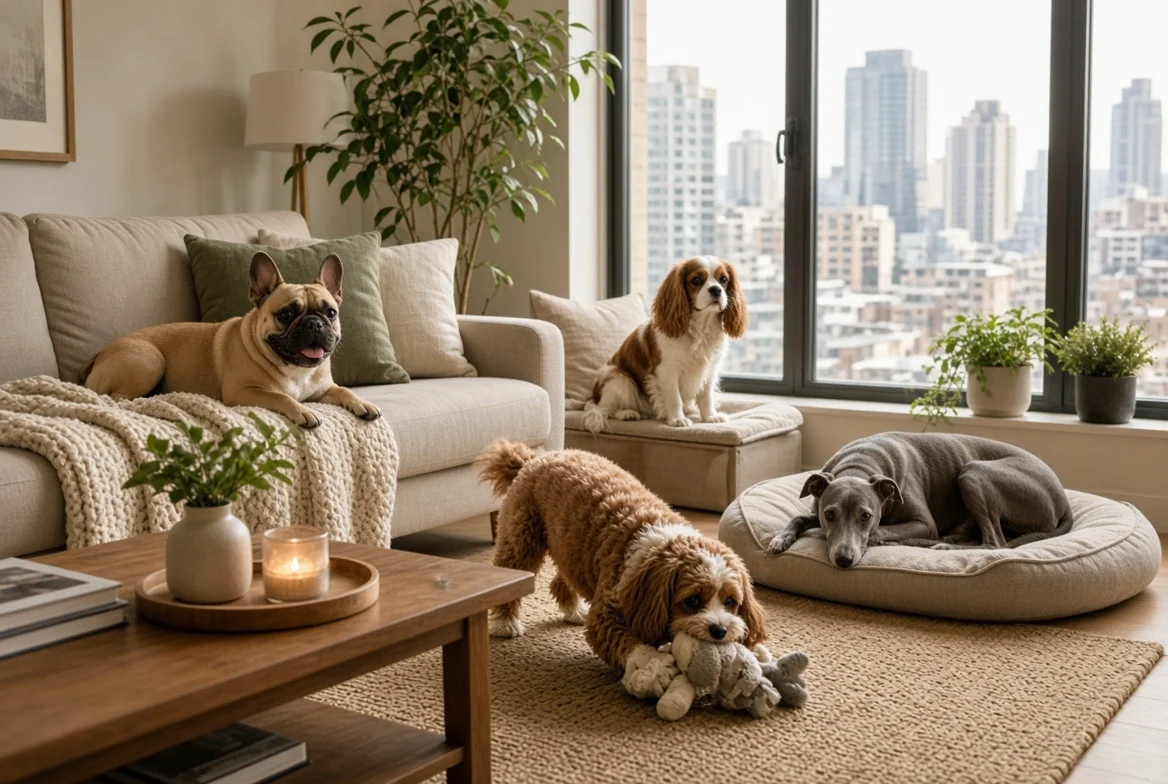
Before we get into the breeds, let’s agree on what “apartment-friendly” actually means — and how to find the right match for your specific situation.
It is not just about size. It is about temperament, energy level, noise, and how well the dog handles being alone. A great apartment dog usually ticks most of these boxes:
- Low to moderate energy — no backyard sprints needed every hour
- Quiet nature — barking is your neighbour’s worst nightmare
- Adaptable — comfortable in a smaller space
- Friendly but not destructive — social without being anxious when alone
- Low to moderate exercise needs — daily walks are fine; marathon training is not
Size matters somewhat, but it is not everything. Some large breeds are wonderfully calm indoors. Some tiny breeds are little energy bombs. Always look at temperament first.
Now use these four questions to narrow it down to the right breed for YOU:
1. How active are you?
- Very active (daily runs, hikes): Consider a Whippet, Greyhound, or Standard Poodle
- Moderately active (daily walks): Most small dog breeds for apartments will suit you perfectly
- Low activity (short strolls): French Bulldog, Shih Tzu, Pug, or English Bulldog
2. How many hours will the dog be alone each day?
- Under 4 hours: Any breed on this list works
- 4 to 8 hours: Choose independent breeds like Basset Hound, Boston Terrier, or Chihuahua
- Over 8 hours: Plan for a dog walker or doggy daycare before committing
3. Does anyone in your home have allergies?
- Yes: Go hypoallergenic — Bichon Frise, Standard Poodle, Maltipoo, Cavapoo, or Cockapoo
- No: All breeds are on the table
4. Is this your first dog?
- Yes: Stick to the best dog breeds for first time owners in apartments — Cavalier King Charles Spaniel, Bichon Frise, or French Bulldog
- No: You have more flexibility, including medium to large dog breeds for apartments
Run through these before you visit a breeder or rescue centre, and you will walk in knowing exactly what you are looking for.
Small Dog Breeds For Apartments
Small dogs are the most obvious choice for apartment living. They take up less space, eat less food, and are easier to manage in tight quarters. But not all small dog breeds for apartments are equal.
Here are some top picks:
1. French Bulldog
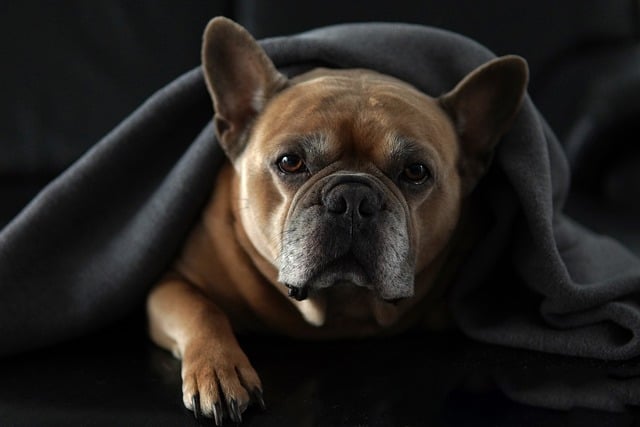
The French Bulldog is practically designed for apartment life. They are quiet, low-energy, and absolutely love being near their humans. They do not need much exercise — short daily walks are enough. They are also one of the most popular dog breeds for apartments globally right now, and for good reason.
One thing to note: they are brachycephalic (flat-faced), which means they can struggle in extreme heat. Keep your apartment cool in summer.
2. Cavalier King Charles Spaniel

This breed is gentle, affectionate, and beautifully quiet. They weigh 13 to 18 pounds, which keeps them under most building weight limits. They adapt well to apartment routines and are not big barkers. They do need moderate daily exercise, but a couple of walks a day takes care of that easily.
3. Shih Tzu
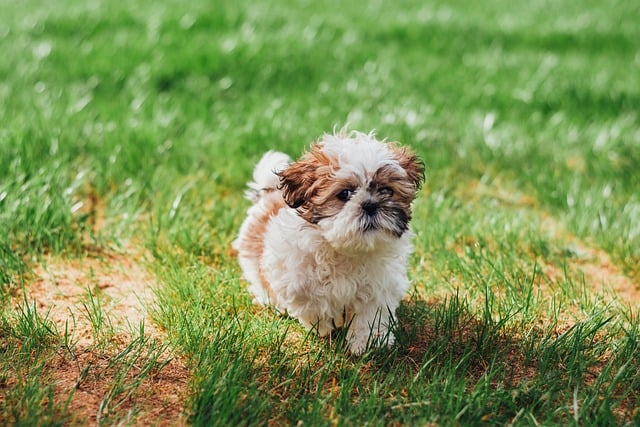
The Shih Tzu was literally bred to be a companion dog for royals living in palaces — palaces with small rooms, actually. They are calm, friendly, and perfectly happy lounging indoors. They are one of the best small dog breeds for apartments you can find.
4. Pug

Pugs are couch-loving, people-loving, and perfectly sized for smaller homes. They have low energy but big personalities. Just like French Bulldogs, watch out for heat sensitivity.
5. Bichon Frise

Smart, playful, and hypoallergenic. Great for apartment dwellers who have allergies. They are small, cheerful, and adapt quickly to indoor routines.
Large Dog Breeds For Apartments
Yes, really. Some large dog breeds for apartments work surprisingly well. The key is finding a breed that is naturally calm indoors.
1. Greyhound
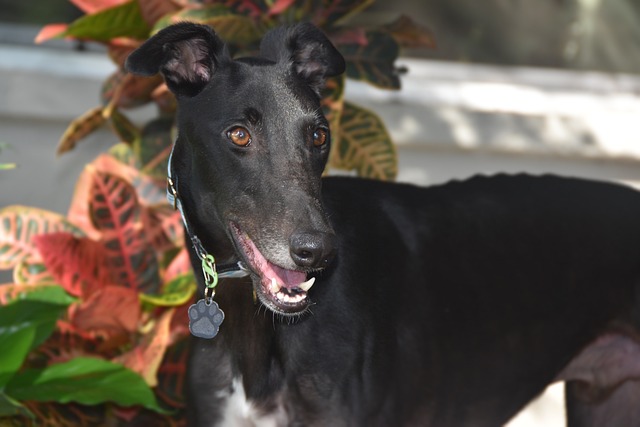
This might shock you. Greyhounds are one of the fastest dogs on the planet — and also one of the laziest at home. They are nicknamed “45-mph couch potatoes” for a reason. They sleep for up to 18 hours a day and are genuinely calm indoors. As long as they get a good run a couple of times a week, they are happy.
2. Mastiff

Big? Yes. Bouncy? Not at all. Mastiffs are gentle giants who are content to lay around your apartment and follow you from room to room. The AKC notes they can live happily in apartments with modest daily walks. They are not high-energy dogs, which makes them surprisingly manageable large dog breeds for apartments.
3. Basset Hound

Low to the ground, low in energy, and high in charm. Basset Hounds are calm, sweet, and perfectly suited to apartment life. They do have a loud howl when left alone too long, so early training helps.
Low Maintenance Dog Breeds For Apartments
If you have a busy lifestyle, you need low maintenance dog breeds for apartments — dogs that do not demand constant grooming, exercise, or entertainment.
1. Chihuahua

Tiny in size, big in personality. Chihuahuas are naturally independent and do not need a lot of grooming or exercise. They are fiercely loyal but can be stubborn, so early socialisation matters.
2. Dachshund

Short legs, long body, low fuss. Dachshunds are playful and curious but do not need intense exercise. Their short coats (in the smooth variety) are very easy to maintain.
3. Boston Terrier

Clean, smart, and low-shedding. Boston Terriers are easy to care for and genuinely enjoy apartment living. They are friendly, not overly vocal, and adapt well to routines.
Medium To Large Dog Breeds For Apartments
If you want something bigger than a lap dog but smaller than a Mastiff, there are fantastic medium to large dog breeds for apartments that deserve a mention.
1. Bulldog (English)

Not the speediest dog, but incredibly lovable. English Bulldogs are happy with minimal exercise and tend to be calm and quiet indoors. They are great for city apartments.
2. Standard Poodle

Here is a surprise entry. Standard Poodles are large, yes — but they are incredibly adaptable, highly intelligent, and relatively calm indoors when exercised properly. They are also hypoallergenic, which is a bonus.
3. Whippet

Smaller than a Greyhound but with the same indoorsy energy. Whippets are quiet, gentle, and surprisingly compact despite their lean build. They love a good sprint in the park and then they are done for the day.
Best Mixed Dog Breeds For Apartments
Mixed breeds often get overlooked, but some of the best mixed dog breeds for apartments are wonderfully well-balanced. Crossbreeds tend to inherit the best traits from both parent breeds. One big advantage with mixed breeds from a rescue: you can meet the adult dog first and see exactly how calm they actually are before committing.
1. Cavapoo (Cavalier x Poodle)

Gentle temperament, low-shedding coat, and a calm indoor energy. The Cavapoo is one of the most popular apartment-friendly mixed breeds in 2026.
2. Maltipoo (Maltese x Poodle)

Small, hypoallergenic, and deeply affectionate. Perfect for single-bedroom apartments.
3. Puggle (Pug x Beagle)

Friendly, fun, and manageable in size. Puggles tend to be a little more energetic than purebred Pugs, so daily walks are a must — but they settle well indoors.
4. Cockapoo (Cocker Spaniel x Poodle)

A classic. Gentle, smart, low-shedding, and absolutely adoring of their humans. Cockapoos are among the best mixed dog breeds for apartments for good reason.
Best Dog Breeds For First Time Owners In Apartments
If this is your first dog and you live in an apartment, you need a breed that is forgiving, easy to train, and not overly demanding. Here are the best dog breeds for first time owners in apartments:
| Breed | Size | Training Ease | Energy Level | Noise Level |
|---|---|---|---|---|
| Cavalier King Charles Spaniel | Small | Easy | Low-Medium | Low |
| French Bulldog | Small | Medium | Low | Low |
| Bichon Frise | Small | Easy | Low-Medium | Low |
| Puggle | Small-Medium | Easy | Medium | Medium |
| Whippet | Medium | Easy | Low-Medium | Very Low |
The Cavalier King Charles Spaniel is arguably the single best dog breed for first time owners in apartments. They are gentle, eager to please, and easy to train without being too needy.
Restricted Dog Breeds For Apartments and Breeds to Avoid
This section covers two separate but related things: breeds your building may legally restrict, and breeds that genuinely struggle with apartment life regardless of rules.
Legally restricted dog breeds for apartments are breeds that many housing societies and landlords ban outright due to perceived liability. Common ones include:
- Pit Bull Terrier
- Rottweiler
- Doberman Pinscher
- German Shepherd (in some buildings)
- Akita
- Staffordshire Bull Terrier
Always check your lease and local housing rules before adopting. Some cities also have breed-specific legislation (BSL) that legally restricts certain breeds.
Beyond legal restrictions, some breeds simply do not do well in apartments due to their temperament and energy — even if they are not on a banned list:
| Breed | Why They Struggle in Apartments |
|---|---|
| Border Collie | Extremely high energy, needs a job to do |
| Siberian Husky | Loud, destructive when bored, needs huge exercise |
| Dalmatian | High stamina, gets restless without space to roam |
| Jack Russell Terrier | Feisty, vocal, and relentlessly energetic |
| Australian Shepherd | Working dog that needs constant mental and physical stimulation |
| Weimaraner | Intense separation anxiety in small spaces |
If you already own one of these breeds and live in an apartment, do not panic. With enough daily exercise, mental enrichment, and proper training, even energetic breeds can adapt. It is just significantly harder, and you need to be fully committed.
Separation Anxiety: The Silent Problem in Apartment Dogs
This does not get talked about enough. And it should.
Separation anxiety is one of the biggest challenges with dog breeds for apartments — because apartment dogs often spend long stretches alone while their owners are at work.
Signs your dog may have separation anxiety:
- Barking or howling after you leave
- Destructive chewing (furniture, shoes, door frames)
- Going to the toilet indoors despite being house-trained
- Frantic behaviour when you grab your keys or put on shoes
Some dog breeds for apartments are more prone to it than others. Cavalier King Charles Spaniels and Pugs, for example, are deeply attached to their humans and can struggle when left alone.
What actually helps:
- Start with short absences and build up gradually
- Use a puzzle feeder or Kong toy stuffed with food to keep them occupied
- Consider a dog walker or doggy daycare if you work long hours
- Crate training done right can feel like a safe den, not a punishment
- Talk to your vet if it is severe — there are behavioural therapies and, in some cases, medication that helps
A Day in the Life: What Apartment Dog Ownership Really Looks Like
People often think about the fun parts of owning a dog in an apartment — the cuddles, the companionship, the cute photos. And yes, all of that is real. But let’s be honest about what a typical day actually looks like.
6:30 AM — Morning walk before work. Even a 20-minute walk covers the basics for most low maintenance dog breeds for apartments. Pack bags for waste disposal and bring water if it is warm.
8:00 AM to 5:00 PM — You are at work. Your dog is at home. This is the stretch that matters most. Puzzle toys, background noise (TV or a calming playlist), and a comfortable resting spot make this manageable for the right breed.
5:30 PM — Evening walk. Longer this time — 30 to 45 minutes ideally. This is also when most apartment dogs release the energy they have been sitting on all day.
Evening — Playtime indoors, some training, and wind-down time together. Indoor games like tug or hide-and-seek burn energy without requiring outdoor space.
10:00 PM — Last toilet break before bed.
It sounds manageable — because it is, with the right dog breeds for apartments. But with the wrong breed, every one of those “while you are at work” hours becomes a source of stress for your dog and complaints from your neighbours.
How to Dog-Proof Your Apartment
Once you have chosen your breed, your apartment needs a little preparation. This is practical stuff that makes a real difference.
1. Secure Loose Cables and Wires
Dogs chew. Especially puppies. Keep electrical cables tucked away or covered before your dog comes home.
2. Block Off Dangerous Areas
Use baby gates to keep your dog away from balconies, certain rooms, or staircases if needed.
3. Create a Dedicated Dog Zone
A corner with their bed, water bowl, and toys gives them a sense of ownership over a space. This helps with anxiety too.
4. Remove Toxic Houseplants
Many common houseplants are toxic to dogs, including Pothos, Aloe Vera, and Peace Lily. Check the full list of toxic plants before bringing your dog home.
5. Keep an Enzyme Cleaner Ready
Accidents happen, especially early on. Enzyme-based cleaners remove odours that regular products leave behind, which stops dogs from returning to the same spot.
6. Set a Toilet Routine from Day One
Consistent timing — same times every morning, noon, and evening — speeds up house-training dramatically for any breed.
Quick Comparison: Dog Breeds For Apartments at a Glance
| Breed | Size | Barking | Exercise Need | Best For |
|---|---|---|---|---|
| French Bulldog | Small | Low | Low | Everyone |
| Greyhound | Large | Low | Medium | Active owners |
| Shih Tzu | Small | Low | Low | Busy owners |
| Cavalier KCS | Small | Low | Low-Medium | First-timers |
| English Bulldog | Medium | Low | Low | Laid-back owners |
| Mastiff | Large | Low | Low | Experienced owners |
| Cavapoo | Small | Low | Low-Medium | Allergy sufferers |
| Whippet | Medium | Very Low | Medium | Active owners |
| Boston Terrier | Small | Low | Low-Medium | First-timers |
| Basset Hound | Medium | Medium | Low | Relaxed households |
Expert Insights
Dr. Karen Becker, Integrative Wellness Veterinarian, emphasizes that temperament — not size — is the most reliable predictor of apartment success. “A calm, low-anxiety dog in a 600 sq ft apartment is happier than a high-drive herding dog in a 1,200 sq ft unit,” she notes. Before adopting, always spend time with the dog and speak to a vet or certified animal behaviourist about their specific needs.
The American Kennel Club (AKC) recommends that apartment dwellers prioritise dogs rated as “calm indoors” regardless of breed size, and that daily mental stimulation — puzzle toys, training sessions — can significantly reduce indoor restlessness in any breed.
(Always consult your own veterinarian for personalised advice.)
Conclusion
Living in an apartment does not mean you have to give up on your dream of owning a dog. It just means you need to be a little more intentional about which dog breeds for apartments you choose.
Whether you go for a snuggly small dog breed for your apartment, a surprisingly chill large breed like a Greyhound, or one of the best mixed dog breeds for apartments like a Cavapoo or Cockapoo — there is a perfect match out there for you.
The golden rule? Always prioritise temperament over size. A calm, adaptable dog will thrive in apartment living. An anxious, high-energy dog will struggle no matter how much space you give them.
Do your research, talk to a vet, check your building’s rules, and then go find your new best friend.
FAQs – Frequently Asked Question
Q: What are the best dog breeds for apartments?
A: French Bulldogs, Cavalier King Charles Spaniels, Shih Tzus, and Greyhounds are among the best dog breeds for apartments.
Q: Can large dogs live in apartments?
A: Yes. Breeds like Greyhounds and Mastiffs are calm indoors and do well in apartments with regular exercise.
Q: What are the best low maintenance dog breeds for apartments?
A: Chihuahuas, Dachshunds, and Boston Terriers are excellent low maintenance dog breeds for apartments.
Q: Which dog breeds are restricted in apartments?
A: Common restricted dog breeds for apartments include Pit Bulls, Rottweilers, Dobermans, and Akitas. Always check your lease.
Q: Are mixed breeds good for apartments?
A: Absolutely. Cavapoos, Maltipoos, and Cockapoos are among the best mixed dog breeds for apartments.
Q: What is the best dog breed for first time owners in apartments?
A: The Cavalier King Charles Spaniel is widely considered the best dog breed for first time owners in apartments.
Q: Do apartment dogs need a lot of exercise?
A: It depends on the breed. Most apartment-friendly dogs do well with 30 to 60 minutes of daily walking.
Q: Which dog breeds have the least separation anxiety?
A: Basset Hounds, Chihuahuas, and Boston Terriers tend to handle alone time better than most. Avoid Weimaraners and Cavaliers if you are away a lot.
Thank you so much for reading! If you found this helpful, you might also love our previous post: [777 Charlie Dog]
