

The Ferret Pet Price In India typically ranges from ₹15,000 to ₹45,000 for a healthy young animal where special permits apply, though availability is extremely limited and ownership is heavily restricted under import and wildlife rules. Monthly upkeep adds another ₹6,000 to ₹12,000.
Disclaimer: Prices are estimates as of September 2026 and may vary by availability, regulations, and breeder. For informational purposes only — not veterinary or legal advice. Consult a certified exotic-animal vet and verify local regulations before buying. The author has no commercial affiliation with any breeder or seller mentioned.
Ferret At a Glance
| Parameter | Details |
|---|---|
| Common Name | Ferret |
| Scientific Name | Mustela putorius furo |
| Ferret Meaning | From Latin furittus = “little thief” (they steal and hide objects!) |
| Origin | Domesticated from the European Polecat; popular in the US, UK, and Australia |
| Average Height | Approx. 4–6 inches (10–15 cm) at shoulder; body length 13–20 inches (33–51 cm) |
| Average Weight | Males: 0.8–2 kg | Females: 0.5–1.2 kg |
| Ferret Lifespan | 5–10 years (average 6–8 years with good care) |
| Top Speed | Short bursts up to 15–20 mph in open space |
| Bite Force | 70–120 PSI preferred range (sources report 70–147 PSI; higher figures from single older reports — lower range used for safety estimates) |
| Sleep Pattern | 14–18 hours/day; most active at dawn and dusk |
| Diet | Obligate carnivore (high-protein meat diet; no fruits or vegetables) |
| Personality | Curious, playful, mischievous, social |
| Ideal Temperature | Below 27°C / 80°F preferred; heat stress sets in rapidly above 27°C; temperatures above 32°C can be fatal — cool, air-conditioned indoor environment essential |
| Legal Status in India | Heavily restricted under the Wildlife Protection Act, 1972 and import rules; special permits required. Always confirm current legality with authorities before purchase. |
| Ferret Pet Price In India | ₹15,000 – ₹45,000 (where legal options exist; availability is rare and permit-dependent) |
| Monthly Maintenance | ₹6,000 – ₹12,000 |
What Is a Ferret? (Ferret Meaning)
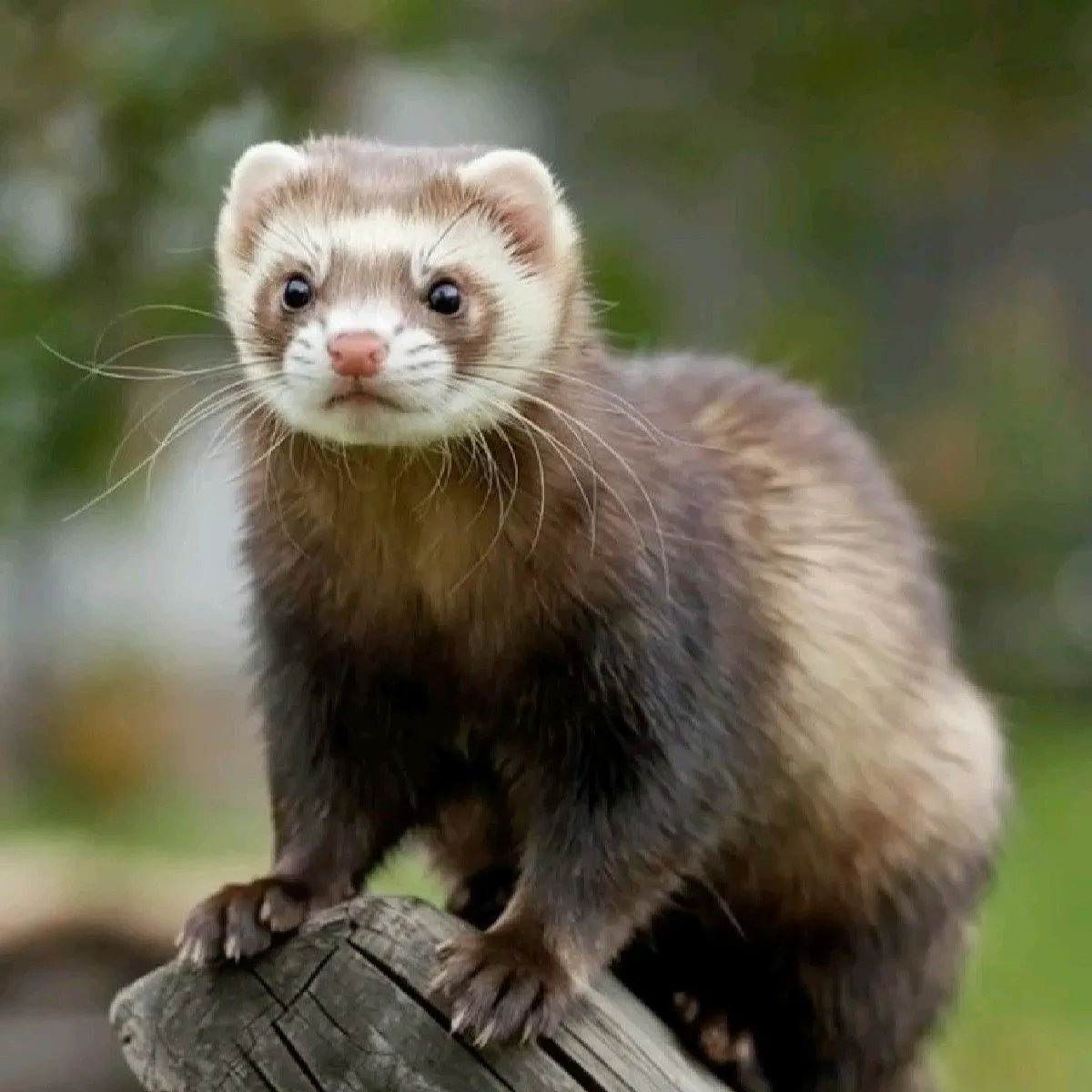
The word Ferret Meaning traces back to the Latin furittus, meaning “little thief.” And honestly? That name is spot-on. These slick, slinky little animals will steal your socks, vanish under your sofa, and somehow make you fall in love with them in the process.
A Ferret Pet is a domesticated form of the European Polecat. They belong to the Mustelidae family, which also includes weasels, badgers, and otters. In India, ferrets are classified as exotic pets and are not native to the subcontinent. Think of them as a cat-dog mashup: they sleep like cats (14–18 hours a day!) and play like hyper puppies when awake.
Their coat comes in several colours: sable, albino (white with red eyes), silver, chocolate, cinnamon, and roan. The sable is the most common; albino and cinnamon varieties carry a slightly higher Ferret Pet Price in the market.
Ferret Pet Price In India (2026): Full Breakdown
Getting straight to the number everyone is searching for: the Ferret Pet Price In India as of 2026 starts at roughly ₹15,000 for a healthy young ferret (kit) aged 8–12 weeks where legal channels or special permits apply, and can reach ₹45,000 for rare colour morphs or pedigree animals from verified sources. Adult animals and uncommon coat types push toward the upper end. True legal supply in India is scarce; black-market offers exist online but carry high legal and health risks and should be avoided.
For reference, international benchmark prices converted at 2026 rates (approx. ₹96 per USD) sit at $100–$400, or roughly ₹9,600–₹38,400. Indian landed cost, however, includes transport, quarantine, and permit fees that inflate the figure significantly.
Note on Source Discrepancy: Some older Indian pet listing sites quote ferret prices between ₹8,000 and ₹12,000. These figures date from 2020–2022. After factoring in the rupee’s movement against the USD, increased logistics costs, stricter exotic-pet import norms in 2024–2025, and the added burden of permit and quarantine fees, the accurate 2026 market rate starts at ₹15,000 at minimum for a healthy, vaccinated animal. The lower prices often apply to animals of unknown health history. Trust only breeders who can show vet records and valid permits.
| Coat / Type | Price Range (INR, 2026) | Availability |
|---|---|---|
| Standard Sable | ₹15,000 – ₹25,000 | Moderate (permit-dependent) |
| Albino (White, Red Eyes) | ₹20,000 – ₹30,000 | Low |
| Silver / Roan | ₹22,000 – ₹35,000 | Very Low |
| Cinnamon / Chocolate | ₹25,000 – ₹40,000 | Very Low |
| Rare Colour / Captive-Bred Special | ₹35,000 – ₹45,000 | Rare |
Expert Insight: “When a buyer sees a ferret priced significantly below ₹15,000 in 2026, the first question should be: where did this animal come from? Unverified imports may carry unknown diseases, may not be vaccinated, and often lack the required permits. Always ask for full documentation.” — Priya Sharma, Certified Exotic Pet Care Specialist
City-Wise Ferret Pet Price In India (2026)
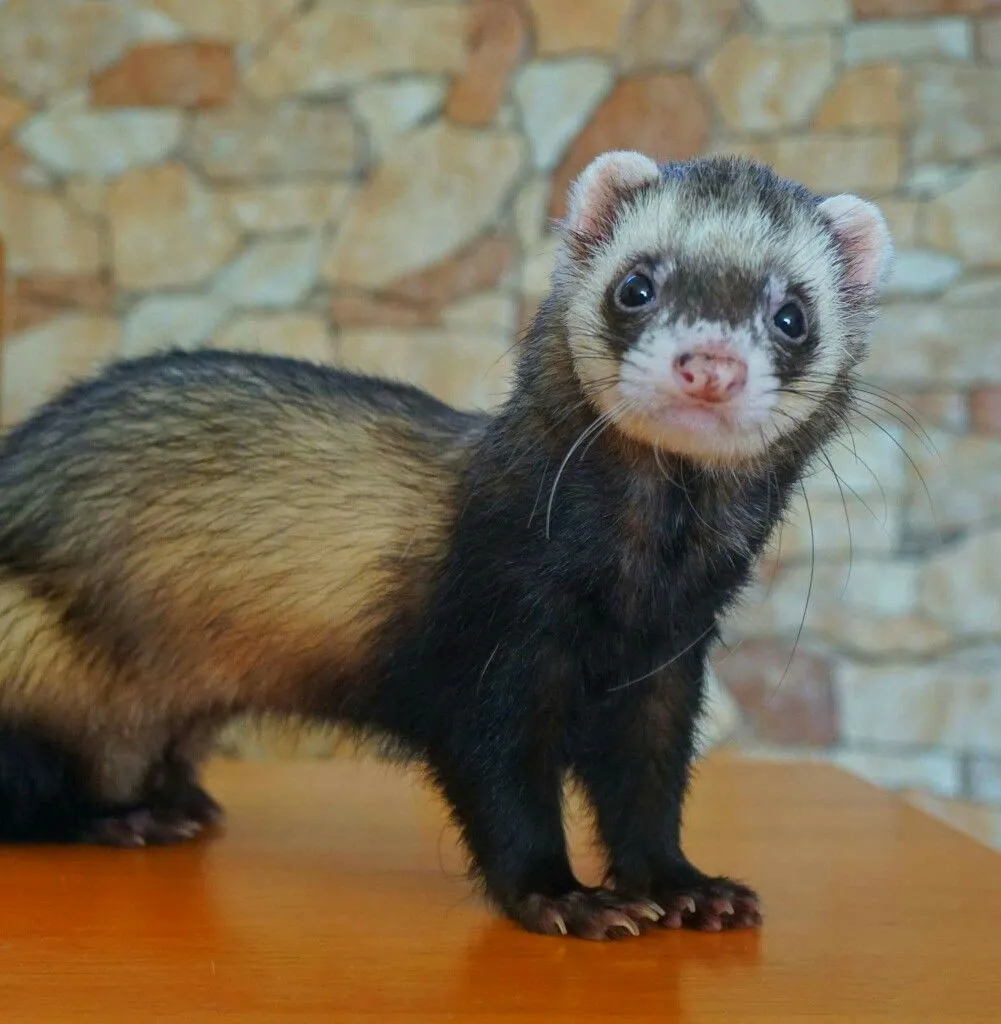
The Ferret Pet Price In India varies noticeably by city, primarily because most ferrets are imported or sourced from a handful of southern and western breeders, and logistics add up fast.
| City | Approx. Price Range | Availability | Notes |
|---|---|---|---|
| Ferret Pet Price In Delhi | ₹25,000 – ₹45,000+ | Limited (permit-dependent) | Upper-end pricing due to demand and transport from private networks; NCR has some exotic-pet contacts |
| Ferret Pet Price In Mumbai | ₹25,000 – ₹50,000+ | Limited (permit-dependent) | Often highest prices; strong demand; most animals sourced via private channels |
| Ferret Pet Price In Kolkata | ₹15,000 – ₹35,000 | Very Low | Fewer verified sellers; mostly sourced from Delhi or online listings; lower demand keeps prices slightly lower |
| Ferret Pet Price In Chennai | ₹15,000 – ₹38,000 | Very Low | Few southern exotic breeders; high humidity poses extra care challenge |
| Ferret Pet Price In Kerala | ₹15,000 – ₹38,000 | Very Low | Tropical climate demands strong cooling; lower listed prices but even fewer verified sellers |
Delhi and Mumbai sit at the upper end because of private-network demand and transport logistics. Kolkata, Chennai, and Kerala may list lower prices, but even fewer verified sellers exist in these cities. Regardless of your city, factor in the one-time setup cost of ₹8,000–₹20,000 on top of the animal’s price — and always confirm valid permits before any purchase.
Baby Ferret (Kit): Price, Facts & What to Expect
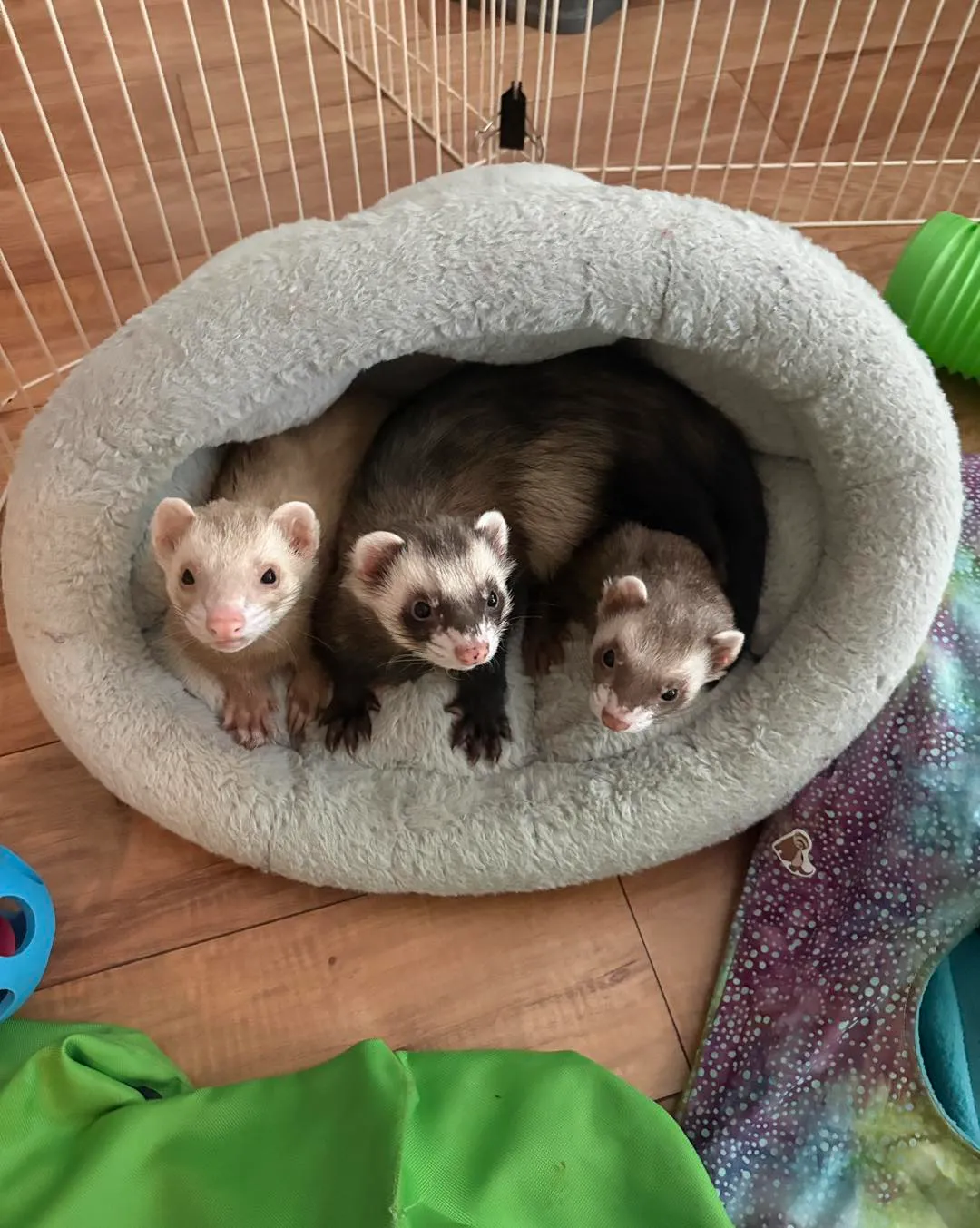
A Baby Ferret (called a “kit”) is undeniably adorable. They are born with their eyes and ears sealed shut for about 3–4 weeks. By 6 weeks, a kit is a tiny bundle of pure chaos: running in circles, biting everything, and sleeping like they ran a marathon.
| Stage | Age | Key Milestone |
|---|---|---|
| Newborn | 0–3 weeks | Eyes/ears sealed; fully dependent on mother |
| Early Kit | 3–6 weeks | Eyes open; begins exploring |
| Weaning | 6–8 weeks | Transitions to solid food |
| Socialization | 8–16 weeks | Prime time for bonding; first vaccinations begin |
| Juvenile | 4–6 months | High energy; litter training possible |
| Adult | 1+ year | Calmer; established personality |
A Baby Ferret typically costs 10–20% more than an adult because breeders factor in early veterinary care. If you are buying a kit, ensure it is at least 8 weeks old and has received its first distemper vaccine before leaving the breeder. Never buy a ferret younger than 7 weeks under any circumstances.
Ferret Lifespan: How Long Will Your Fuzzy Friend Stay?
The Ferret Lifespan is one area where sources genuinely disagree, so let’s lay it out clearly. Several exotic-pet sites quote 7–9 years; veterinary references cite a broader range of 5–10 years, with an average of 6–8 years under good care. The discrepancy exists because ferret longevity is heavily tied to three variables: breeding quality, diet, and access to ferret-knowledgeable veterinary care.
The 6–8 year figure is the practical average for a well-cared-for Indian household ferret sourced from a decent breeder. The lower end (5–6 years) tends to apply to ferrets from unknown or poor breeding backgrounds, especially without routine vet checks. Reaching 10 years is possible but requires optimal nutrition, routine vet care, and spayed/neutered status.
Bottom line: Plan for 6–8 good years with your Ferret Pet. That is a long-term commitment and should factor into your decision as much as the Ferret Pet Price In India.
Ferret Health Problems: What Every Owner Must Know
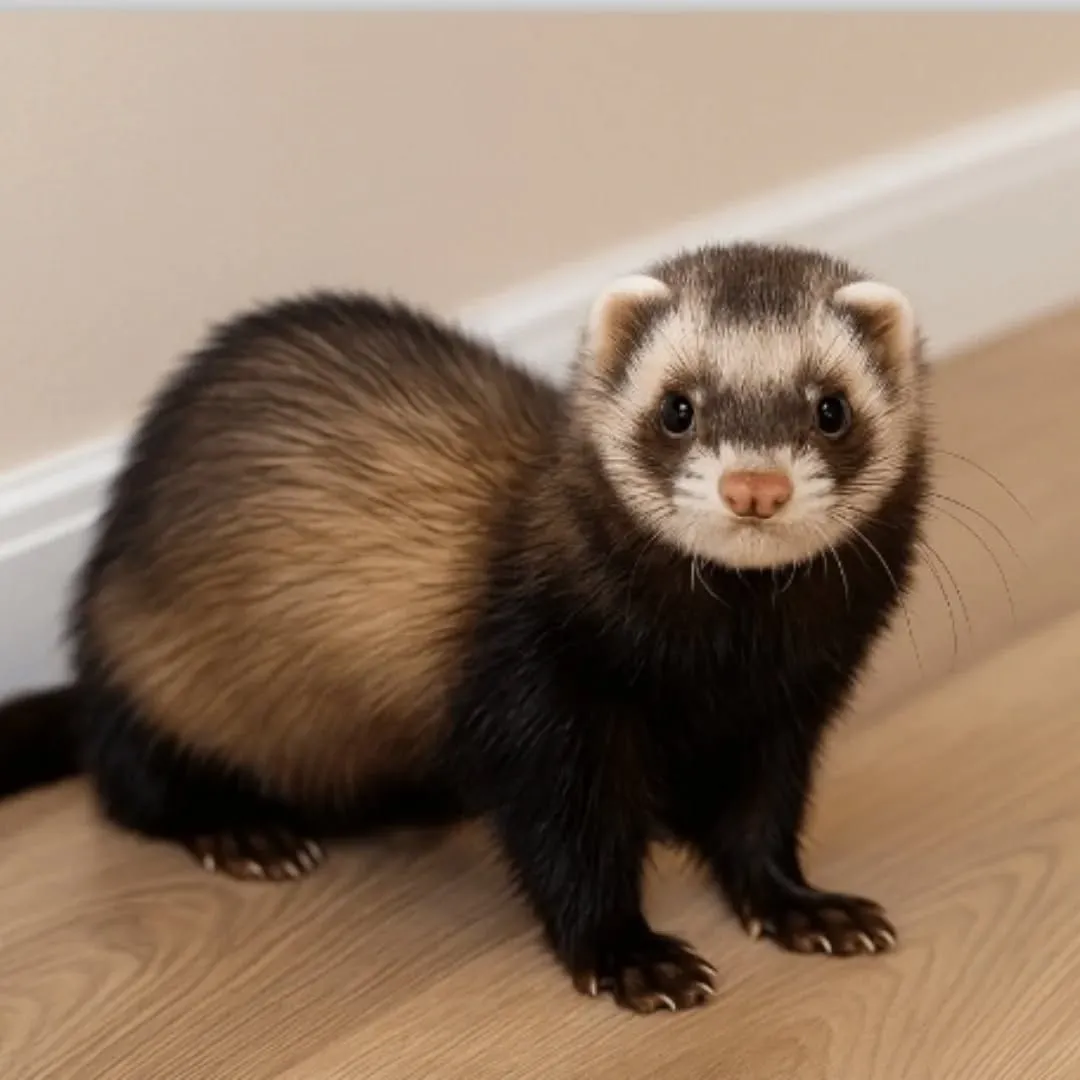
This is non-negotiable reading. Ferret Health Problems are one of the most important ownership realities, and veterinary costs for these conditions can far exceed the original purchase price.
| Condition | Description | Signs to Watch | Treatment Hint |
|---|---|---|---|
| Adrenal Gland Disease | Extremely common in ferrets over 3 years; affects hormone production | Hair loss, weight loss, lethargy, swollen vulva in females | Hormone implant or surgery; ₹15,000–₹40,000+ |
| Insulinoma | Tumour of the pancreas causing low blood sugar; common in older ferrets | Weakness, drooling, pawing at mouth, seizures | Medication + diet management; surgery in severe cases |
| Canine Distemper | Fatal viral disease; 100% mortality if untreated | Eye/nose discharge, fever, rash | Prevention only: annual vaccination |
| Rabies | Viral disease; ferrets are susceptible via infected animal bites | Aggression, disorientation, paralysis | Prevention: annual rabies vaccine |
| Lymphoma | Cancer of the lymph nodes; second most common cancer in ferrets | Weight loss, enlarged lymph nodes, diarrhoea | Chemotherapy; palliative care |
| Heatstroke | Ferrets cannot tolerate temperatures above 27°C | Panting, lethargy, collapse | Immediate cooling; critical in Indian summers |
| Dental Disease | Tartar buildup and gum problems are common | Difficulty eating, bad breath | Annual dental check; raw diet helps |
Expert Insight: “Adrenal disease and insulinoma are often called the ‘two cancers of ferret old age’. Almost 70–80% of ferrets develop one or both after age 4. If you are buying a ferret in India, start an emergency vet fund from day one.” — Based on data from the Merck Veterinary Manual and Hepper Pet Resources (2026)
Ferret Vaccination Schedule (India, 2026)
Vaccinations are non-negotiable for any responsible Ferret Pet owner. Two core vaccines apply globally and in India:
| Vaccine | First Dose | Booster Schedule | Notes |
|---|---|---|---|
| Canine Distemper (CDV) | 8 weeks of age | 11 weeks, 14 weeks, then annually | Must be a ferret-approved CDV vaccine; wrong type can be fatal |
| Rabies | 16 weeks of age (minimum) | Annually (as per local regulations) | Only ferret-approved rabies vaccine to be used |
Important: Never give both vaccines on the same day. Keep the ferret at the clinic for 20–30 minutes post-vaccination to watch for allergic reactions. Vaccine reactions in ferrets can escalate to shock. Mild lethargy for 1–2 days post-vaccine is normal. Find an exotic-animal vet, not a general dog-cat clinic, for ferret vaccinations in India.
How To Care For a Ferret: The Real Daily Routine
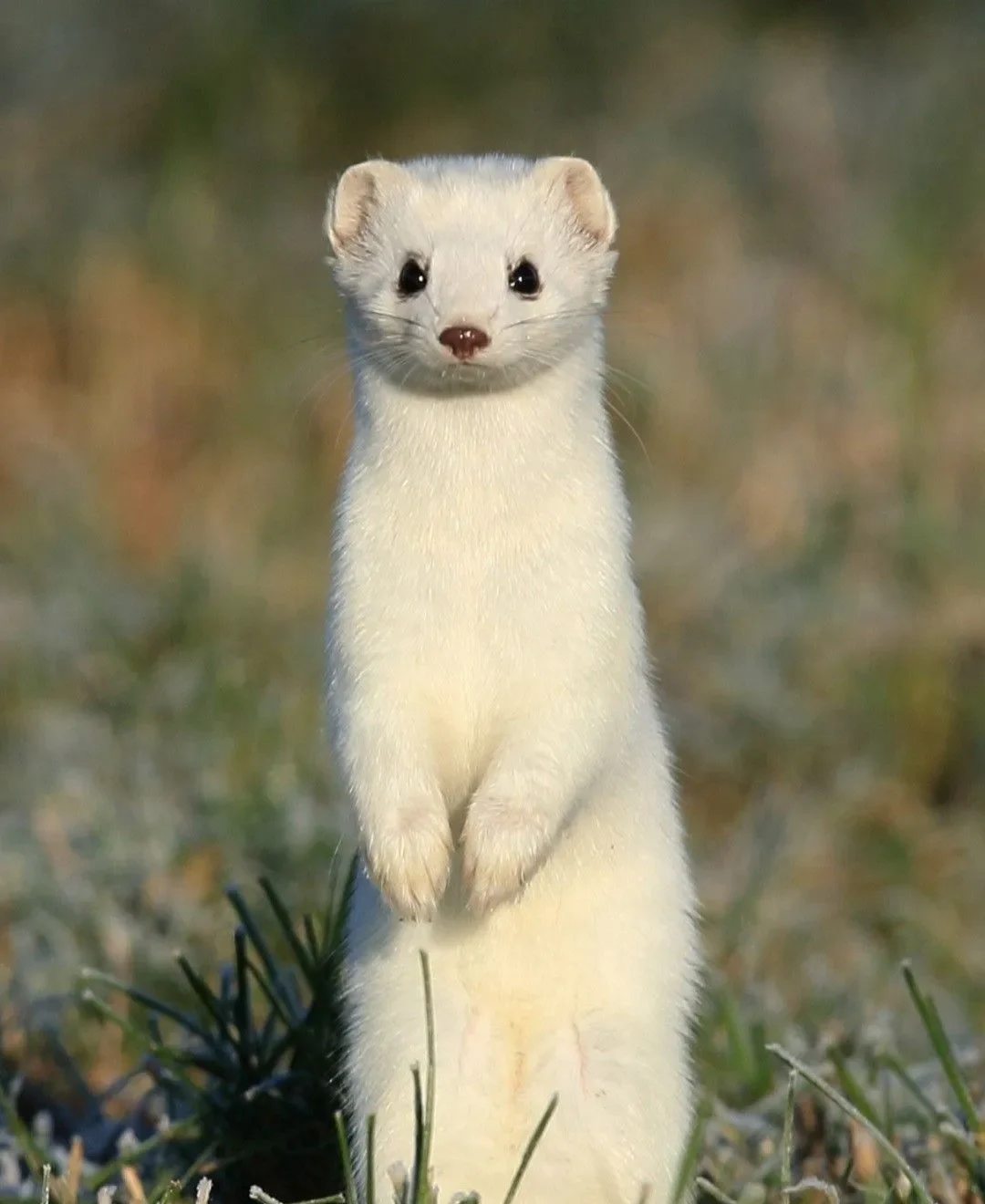
Knowing How To Care For a Ferret properly is just as important as knowing the Ferret Pet Price In India. Here is what a healthy ferret lifestyle looks like:
Housing and Environment
Ferrets need a multi-level cage of at least 60 x 60 x 90 cm with solid floors, hammocks, tunnels, and a litter corner. Daily free-roam time in a ferret-proofed room is essential — cover wires, block small gaps, remove toxic plants. Keep ambient temperature below 27°C / 80°F; ferrets lack good sweat glands and overheat easily. Indian summers above 27°C pose a genuine danger; air conditioning is non-negotiable in cities like Delhi, Mumbai, Chennai, and coastal Kerala from April through September.
Diet and Feeding
Ferrets are obligate carnivores. Their digestive system is short and fast (food passes in 3–4 hours), so they need frequent access to food. High-protein ferret kibble, raw chicken, turkey, or organ meat work well. Never feed fruits, vegetables, dairy, sugary treats, or grains. These cannot be digested and can trigger serious Ferret Health Problems like insulinoma over time.
Out-of-Cage Time
Your Ferret Pet needs at least 3–4 hours outside the cage daily. Ferret-proof the room: block gaps under sofas, cover wires, and remove anything they can swallow. Their curiosity is adorable until they eat a rubber eraser and need surgery.
Grooming
Clip nails every 2–3 weeks. Bathe monthly at most (over-bathing increases the musky odour as skin glands overcompensate). Clean ears weekly with a ferret-safe ear solution. Brush teeth weekly with pet toothpaste to prevent dental disease.
How To Train a Ferret: Yes, They Can Learn!
How To Train a Ferret is simpler than most people think. They are intelligent enough to learn their name, come when called, use a litter box consistently, and even perform basic tricks. The key is repetition, short sessions (5–10 minutes), and positive reinforcement with tiny pieces of meat treat.
| Training Goal | Average Time to Learn | Key Tip |
|---|---|---|
| Litter box use | 1–3 weeks | Put multiple litter boxes in corners (they prefer corners) |
| Name recognition | 2–4 weeks | Use name + treat every single time they look at you |
| Stop biting | 3–6 weeks | Say “no” firmly and stop play immediately on each bite |
| Come when called | 4–8 weeks | Shake a treat bag; always reward when they respond |
| Basic tricks (spin, sit) | 6–12 weeks | Short sessions only; ferrets lose focus fast |
One important point on the bite topic: ferrets nip as part of play. Their bite force is most reliably cited at 70–120 PSI (sources vary; 70–120 PSI is the preferred conservative range), enough to hurt but rarely to cause serious injury in a healthy adult. The goal of “how to train a ferret” not to bite is about teaching bite inhibition, not eliminating all mouthing. Young kits especially go through a mouthy phase between 8–16 weeks; consistent calm correction is the answer.
Monthly Maintenance Cost of a Ferret in India (2026)
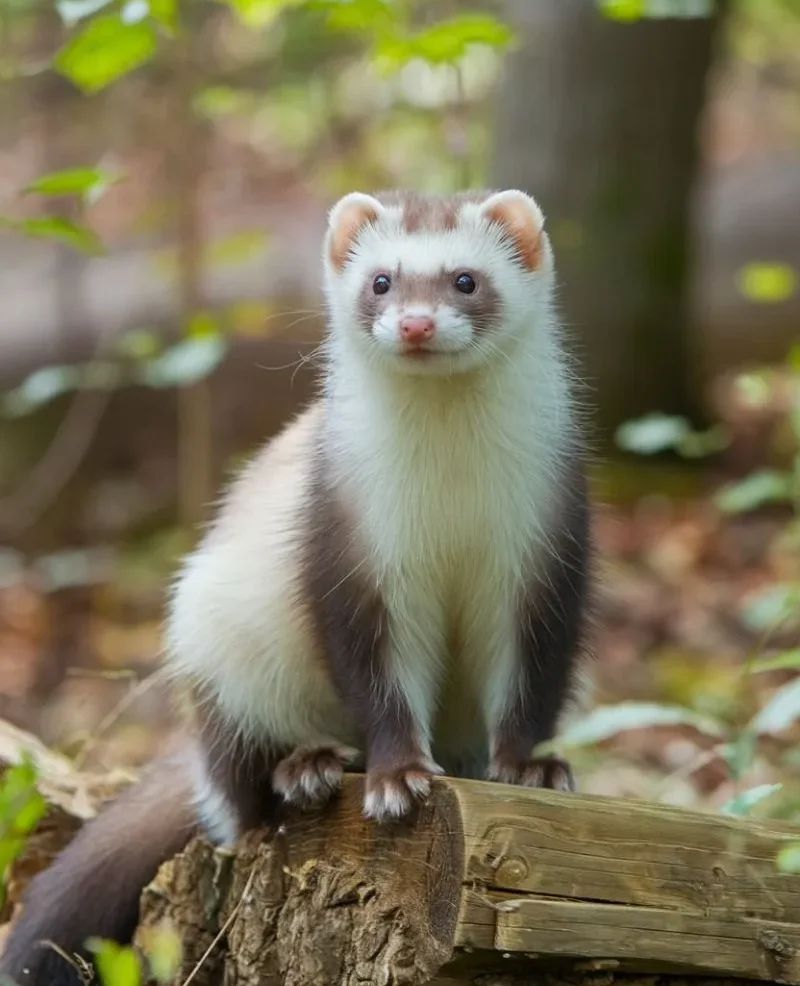
The Ferret Pet Price In India is just the entry ticket. Here is what you spend each month:
| Expense Category | Monthly Cost (INR) | Notes |
|---|---|---|
| High-protein ferret food or quality meat-based diet | ₹2,500 – ₹5,000 | Males eat more (heavier); raw diet costs more |
| Litter and bedding | ₹1,000 – ₹2,000 | Change daily; use pellet litter, not clay cat litter |
| Toys, hammocks, replacements | ₹500 – ₹1,500 | Rotate toys to prevent boredom |
| Routine preventive care (spread annual) | ₹1,000 – ₹2,500 | Annual vet + vaccines spread monthly; keep extra aside for unexpected health needs |
| Total Monthly (approx.) | ₹6,000 – ₹12,000 | Electricity for AC/cooling (April–September) adds to this in most Indian cities |
Additionally, budget a one-time setup cost of ₹8,000–₹20,000 for a good cage, hammocks, food bowls, litter boxes, initial vaccines, and first vet check. The first-year total often reaches ₹40,000–₹80,000 including all setup and initial care. Over a full Ferret Lifespan of 6–8 years, the lifetime outlay commonly exceeds ₹3–6 lakh when health issues arise. An emergency vet fund of at least ₹25,000–₹50,000 is strongly recommended for ferrets aged 3+ years, given the high prevalence of adrenal disease and insulinoma.
Personality and Behaviour: What Living With a Ferret Actually Feels Like
No one tells you that your Ferret Pet will perform the “weasel war dance” — a sideways hopping, darting, chaotic display of pure joy — every single morning when you let them out of their cage. It is the most entertaining 10 minutes of your day, every day.
Ferrets are genuinely social animals. A single ferret can become lonely and depressed. Most ferret owners and vets recommend keeping at least two together (called a “business” of ferrets). They groom each other, play-fight, and sleep in a tangled pile of adorable chaos.
They are mischievous without being malicious. They will steal your keys, hoard your earrings under the sofa, and then look at you with those bright black button-eyes as if to say, “What? That’s mine now.” This playful hoarding instinct comes directly from their wild polecat ancestry.
Climate Suitability for Ferrets in India
This is where Indian owners face the biggest challenge that the Ferret Pet Price articles rarely mention. Ferrets are temperate-climate animals. They prefer cool indoor temperatures below 27°C / 80°F. Above 27°C heat stress sets in rapidly; above 32°C, an unprotected ferret can die within hours. Heat stroke is a real risk in Indian summers — air conditioning or a reliably cool room becomes non-negotiable.
| Indian City | Climate Challenge | Ferret Suitability | Extra Requirement |
|---|---|---|---|
| Delhi / Mumbai | Extreme summer heat (40°C+) | Moderate with AC | 24/7 air conditioning May–Sep |
| Bangalore | Pleasant (20°C–28°C most of year) | Good | Light cooling in peak summer |
| Chennai / Kerala | High humidity + heat | Challenging | Dehumidified AC room essential |
| Kolkata | Hot humid summers | Moderate with AC | AC + dehumidifier recommended |
| Shimla / Pune Hills | Cooler climate | Excellent | Minimal extra investment |
Owners in the Ferret Pet Price In Kerala and Ferret Pet Price In Chennai categories pay more in the long run because of the ongoing cost of cooling. Factor that into your total cost of ownership honestly.
How To Identify a Genuine Ferret Breeder in India
The exotic-pet market in India has more grey areas than a government form. Here is how to tell a responsible breeder from someone who just wants your money:
| Green Flag (Genuine Breeder) | Red Flag (Avoid) |
|---|---|
| Shows vet records and vaccination certificates | No paperwork or vague about records |
| Lets you visit the animals before purchase | Only communicates via WhatsApp images |
| Kits are sold at 8+ weeks old | Offers ferrets under 7 weeks old |
| Happy to answer detailed care questions | Rushes the transaction; pressures quick payment |
| Animals appear alert, active, well-nourished | Ferrets appear lethargic, thin, or have discharge |
| Provides after-sale support and guidance | Disappears after payment |
| Price reflects genuine care (₹15,000+) | Suspiciously cheap (₹5,000–₹8,000) with no explanation |
Conclusion: Is the Ferret Pet Price In India Worth It?
Here is the honest answer: a Ferret Pet is not for everyone, and that is perfectly fine. They need air conditioning in Indian summers, a carnivore-specific diet, multiple daily play sessions, ferret-specialized vets, and a financial cushion for age-related health conditions that are almost inevitable after year 4.
But if you can commit to all of that? They are extraordinary companions. The weasel war dance, the stolen socks, the pile of sleeping ferrets in a hammock — it is a level of entertainment and affection that no other small pet quite matches.
The Ferret Pet Price In India in 2026 starts at ₹15,000 and can reach ₹45,000 for premium or rare-colour animals. Monthly care runs ₹6,000–₹12,000. The Ferret Lifespan of 6–8 years (up to 10 with excellent care) means you are signing up for a real, long-term relationship. The Ferret Pet Price In Mumbai and Delhi tends to be highest; Ferret Pet Price In Kolkata is somewhat lower.
Know the Ferret Health Problems. Learn How To Care For a Ferret and How To Train a Ferret before the ferret arrives home. And always, always buy from a verified breeder who provides documentation. The right Ferret Pet from the right source is one of the most rewarding pet decisions you will ever make.
? FAQs About Ferret Pet Price
Q1. What is the Ferret Pet Price In India in 2026?
₹15,000 to ₹45,000 depending on city, coat colour, age, and breeder quality, where legal channels or special permits apply.
Q2. Is keeping a ferret legal in India?
Ferret ownership is heavily restricted under the Wildlife Protection Act, 1972 and import rules; special permits are normally required. Always confirm current legality with your state’s wildlife authority before any purchase.
Q3. What is the Ferret Lifespan?
5–10 years, with an average of 6–8 years for a well-cared-for ferret in India. Reaching 10 years requires optimal nutrition, routine vet care, and spayed/neutered status.
Q4. What are the most common Ferret Health Problems?
Adrenal gland disease, insulinoma, canine distemper, rabies, lymphoma, heatstroke, and dental disease are the most common conditions owners should know about.
Q5. How much does a Baby Ferret cost in India?
A baby ferret (kit) typically costs 10–20% more than adults — roughly ₹18,000–₹45,000 — because breeders factor in early vet care and vaccine costs.
Q6. Can ferrets survive the Indian climate?
Yes, but only with reliable cooling. Ferrets prefer temperatures below 27°C and are at serious risk of heat stress above 27°C; ambient temperatures above 32°C can be fatal within hours. In cities like Delhi, Mumbai, or Chennai, air-conditioned rooms are essential from April through September.
Q7. How do I train a ferret to use a litter box?
Place multiple litter boxes in cage corners (ferrets always back into corners to eliminate), reward every correct use with a treat, and remain consistent. Most ferrets learn within 2–3 weeks.
Q8. What is the Ferret Meaning?
The word comes from the Latin “furittus,” meaning “little thief” — a perfectly apt name for an animal that hoards shiny objects and socks with great enthusiasm.
Thank You For Reading!
For More Helpful Pet Care Articles, Check Out Our Previous Blogs:
