
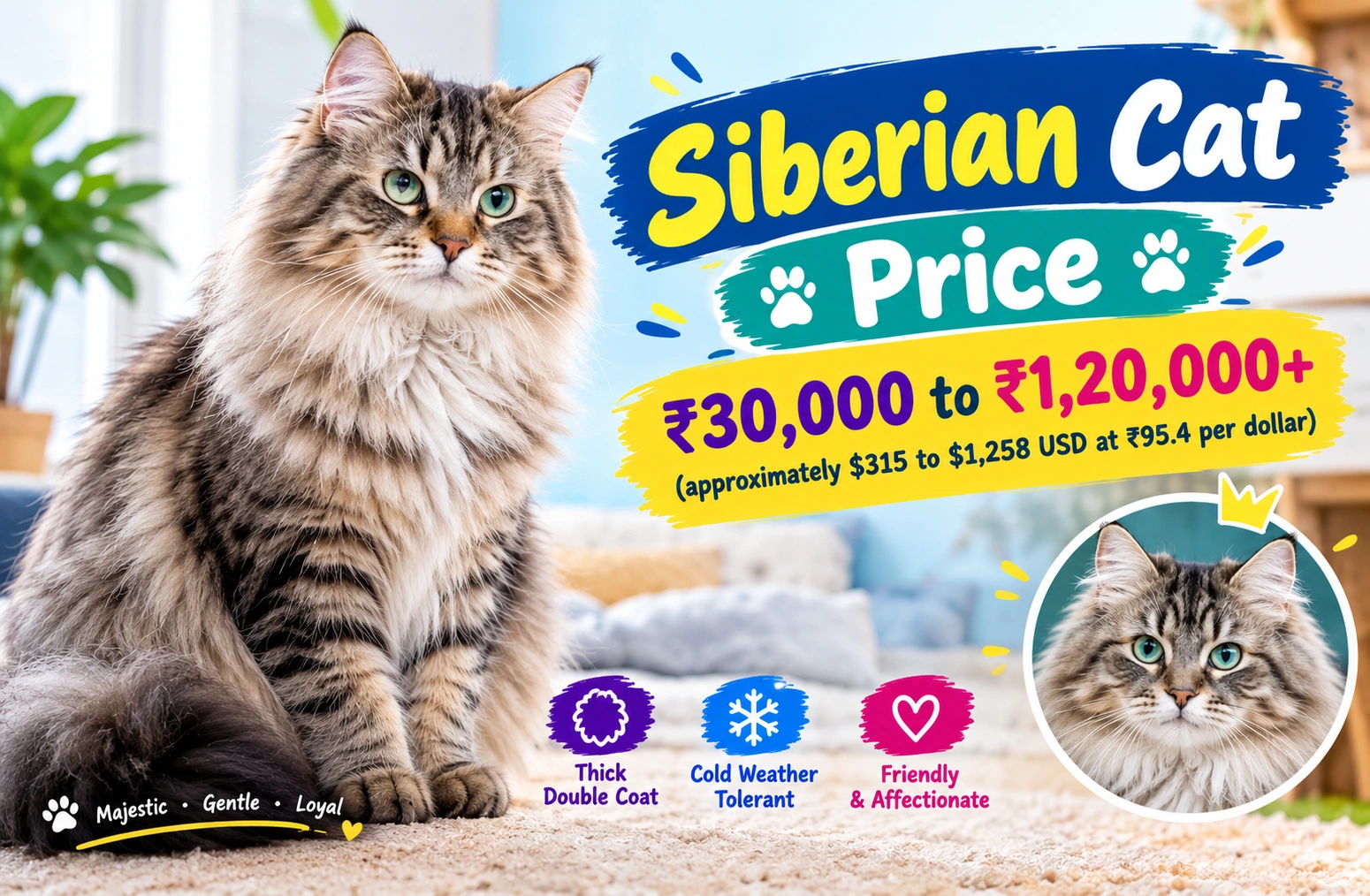
The Siberian Cat price in India in 2026 ranges from ₹30,000 to ₹1,20,000+ (approximately $315 to $1,258 USD at ₹95.4 per dollar), depending on pedigree quality, coat color, city, and whether the kitten comes from health-tested parents.
Disclaimer: Prices and availability for Siberian cats in India can change based on location, breeder, quality, and market conditions. The figures shared are approximate 2026 estimates only. Always verify current prices, health records, and pedigree papers directly with a reputable breeder or veterinarian before making any purchase. This information is for general guidance and is not professional veterinary or financial advice.
Siberian Cat — At a Glance
| Attribute | Details |
|---|---|
| Origin | Russia (Siberia) |
| Breed Type | Natural semi-longhair |
| Weight | Males: 5–8 kg / Females: 3.5–6 kg |
| Height (at shoulder) | 25–30 cm |
| Lifespan | 12–18 years |
| Speed | Up to 48 km/h (short bursts) |
| Bite Force | ~80–120 PSI (estimated; no breed-specific study available) |
| Coat Type | Triple-layer; semi-longhair; water-resistant outer coat |
| Allergen Level | Lower Fel d 1 than most breeds — not fully hypoallergenic |
| Temperament | Loyal, playful, intelligent, dog-like |
| Best Climate | Cold to temperate (needs AC management in India) |
| Good for Allergies? | Often yes — best natural option available |
| TICA Recognition | 1992 |
| CFA Recognition | 2006 |
Why Everyone in India Is Suddenly Talking About the Siberian Cat
A Russian forest cat, shaped by centuries of Siberian winters, sitting unbothered on your Mumbai balcony, judging your life choices with those amber eyes. That is, roughly, what owning a Siberian Cat feels like — and why searches for Siberian Cat price in India have been climbing steadily since 2023.
The Siberian Cat breed is one of the oldest natural cat breeds on the planet. Not engineered. Not crossed. Just centuries of surviving brutal cold, which produced a cat with a stunning triple coat, a personality built for family life, and — here is the part that made Indian pet parents genuinely excited — measurably lower allergen production than most other breeds.
Before you fall head-first into those tufted ears and that gloriously fluffy tail, you need the full picture: what does a Siberian Cat actually cost in India, what does living with one look like in a country where summers hit 45°C, and is this truly the right cat for you?
Siberian Cat Price In India 2026 — The Complete Breakdown
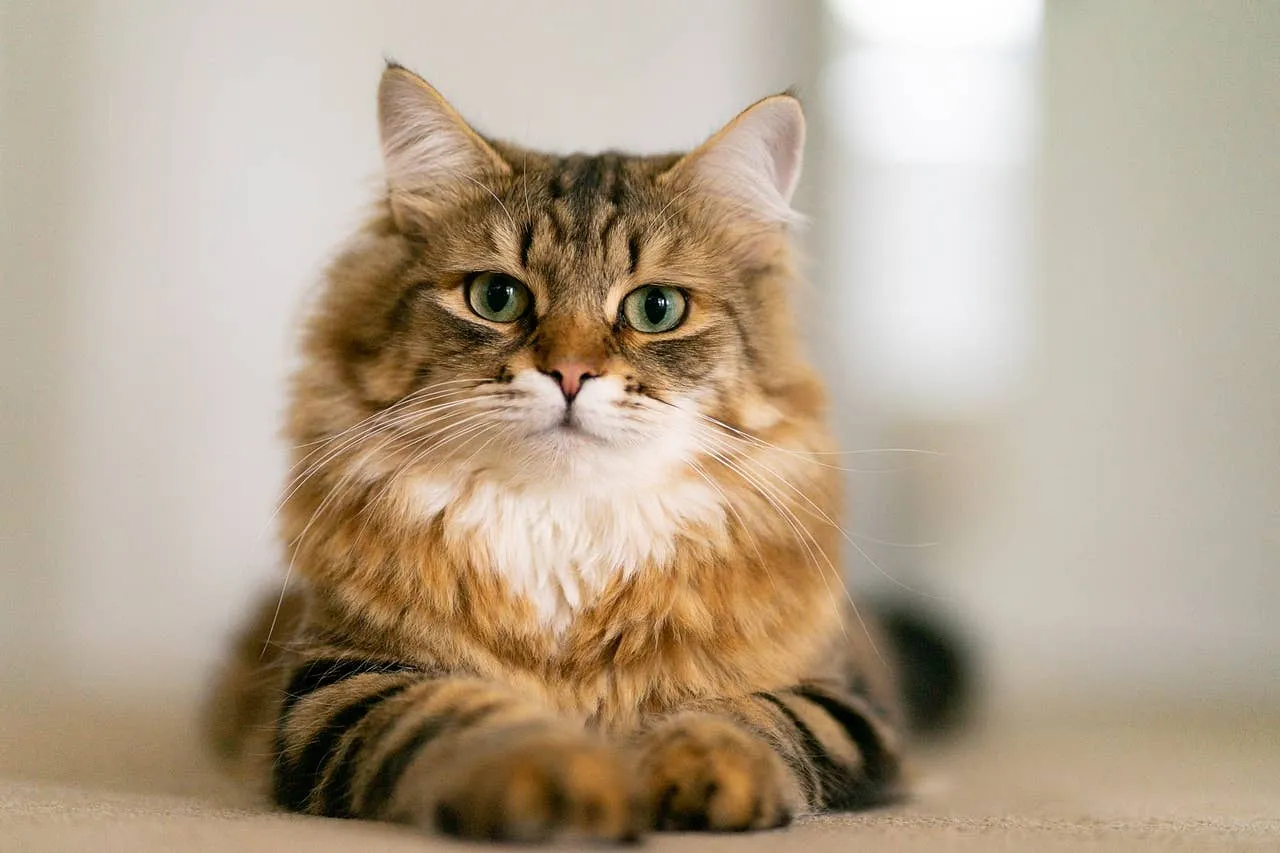
The Siberian Cat price in India is not a single number. It is a range shaped by five real factors: pedigree quality, city, coat color, age, and whether the breeder is actually ethical. Here is how that plays out.
Price by Quality Tier
| Quality Category | Price Range (INR) | Price Range (USD) | What You Get |
|---|---|---|---|
| Basic / Unregistered | ₹30,000 – ₹50,000 | ~$315 – $524 | No pedigree docs; no health testing |
| Pet Quality (TICA/WCF Registered) | ₹50,000 – ₹80,000 | ~$524 – $839 | Verified pedigree; recommended for families |
| Show Quality / Champion Bloodline | ₹80,000 – ₹1,20,000+ | ~$839 – $1,258+ | Titled parents; closest to breed standard |
Note on pricing sources: Some sources report the ₹30,000–₹1,20,000 range for 2026. These figures align with active OLX and marketplace listings reviewed in Q2–Q3 2026. The lower end of this range (₹30,000–₹40,000) should be treated with caution — at that price point, documentation is almost always absent and health testing is rare.
Siberian Cat Price In India — City by City
| City | Price Range (INR) | Price Range (USD) | Key Note |
|---|---|---|---|
| Siberian Cat price in Delhi | ₹55,000 – ₹1,10,000 | ~$576 – $1,153 | Largest number of quality breeders |
| Siberian Cat price in Mumbai | ₹50,000 – ₹1,00,000 | ~$524 – $1,049 | High demand; humidity a challenge for the coat |
| Siberian Cat price in Bangalore | ₹45,000 – ₹90,000 | ~$472 – $944 | Cooler climate; growing breeder community |
| Siberian Cat price in Chennai | ₹35,000 – ₹75,000 | ~$367 – $786 | Lower availability; heat management critical |
| Siberian Cat price in Kolkata | ₹35,000 – ₹75,000 | ~$367 – $786 | Humidity complicates coat care |
| Siberian Cat price in Kerala | ₹35,000 – ₹70,000 | ~$367 – $734 | Limited local breeders; high monsoon humidity |
| Tier-2 Cities | ₹30,000 – ₹60,000 | ~$315 – $629 | Harder to find ethical, tested breeders |
Siberian Cat Colors and Their Prices
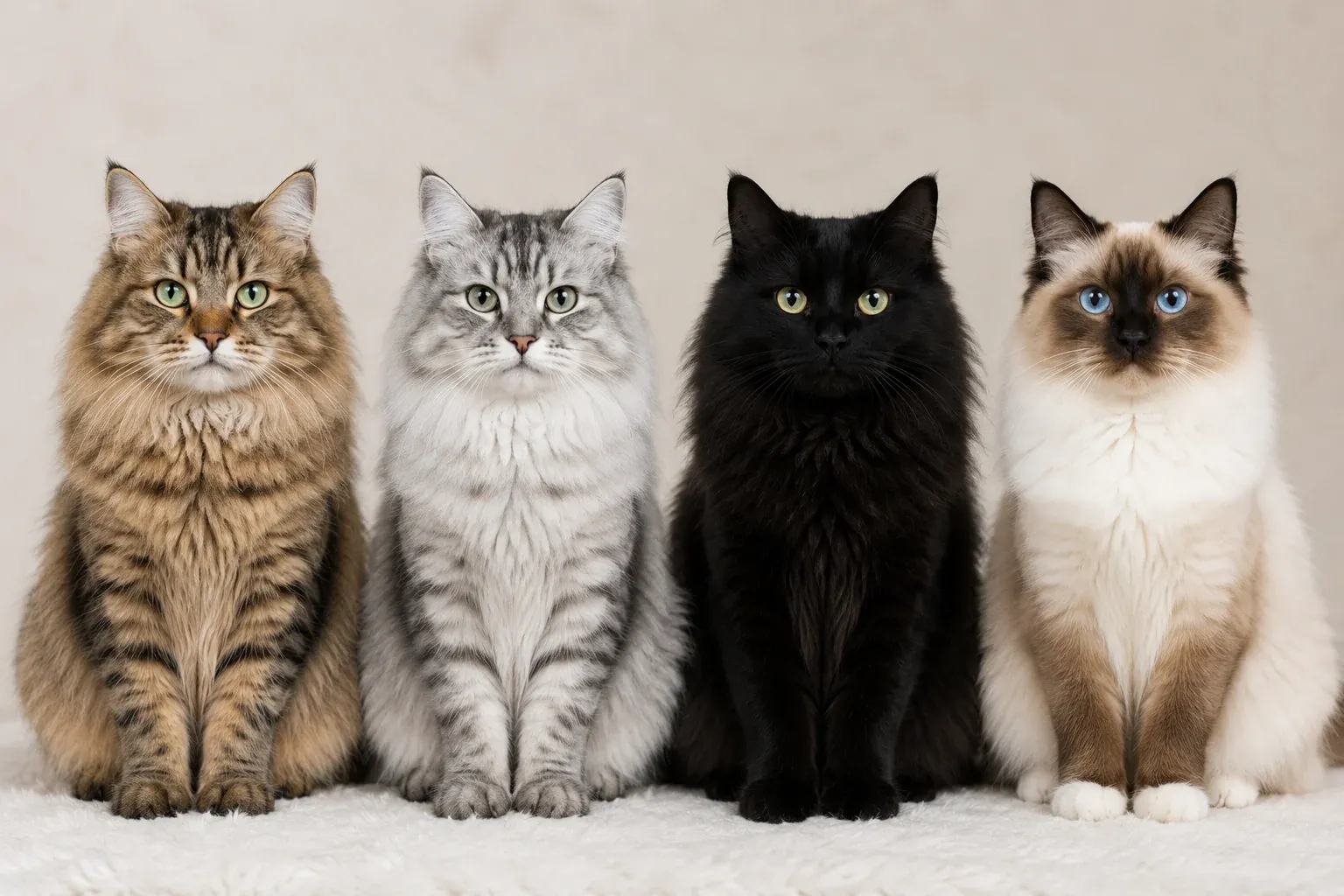
The Siberian Cat comes in virtually every natural cat color. Color alone should never drive your buying decision — health documentation matters far more. That said, here is the realistic price impact of coat color in India in 2026:
| Color | Price Premium/Discount | Notes |
|---|---|---|
| Brown / Silver Tabby | Standard (base price) | Most common; widely available |
| Black Siberian Cat price | -5% to standard | Slightly less sought after aesthetically |
| Grey Siberian Cat price | Standard to +5% | “Blue” in breed terminology; elegant and popular |
| White Siberian Cat price | +5% to +15% | Less common; premium for all-white coats |
| Orange Siberian Cat price | Standard to +10% | “Red” in breed terms; less frequent |
| Neva Masquerade (colourpoint) | +₹5,000 to +₹20,000 | Blue eyes, Siamese-style points |
| Golden Tabby | +10% to +20% | Warm apricot-gold; rarer pattern |
Siberian Cat Price Outside India — International Comparison
Many Indian buyers research international prices to understand market positioning. Here is a quick global snapshot:
| Country | Siberian Cat Price (Local Currency) | Approx. INR Equivalent |
|---|---|---|
| Siberian Cat price in USA | $1,000 – $3,000 | ₹95,400 – ₹2,86,200 |
| Siberian Cat price Canada | CAD 1,200 – CAD 2,500 | ₹88,000 – ₹1,84,000 |
| Siberian Cat price in Malaysia | MYR 2,500 – MYR 6,000 | ₹50,000 – ₹1,20,000 |
| Siberian Cat price in Philippines | PHP 25,000 – PHP 80,000 | ₹42,000 – ₹1,35,000 |
| Siberian Cat price in Nepal | NPR 80,000 – NPR 2,00,000 | ₹60,000 – ₹1,50,000 |
India’s pricing sits at the lower end globally — partly because import costs have been absorbed by early importers, and partly because the Indian market is still building. This also means fewer established breeders and more unregulated sellers.
What Is a Siberian Cat, Really? Breed Deep-Dive
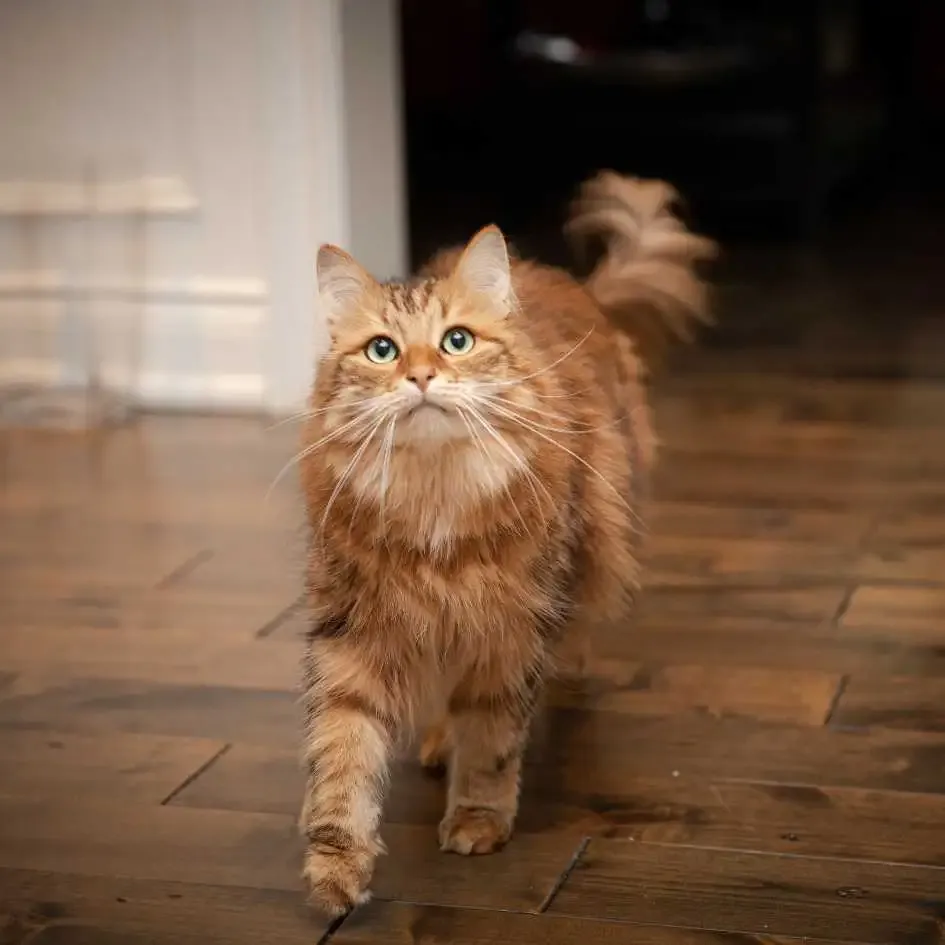
The Siberian Cat breed is not a recent creation. Russian folklore mentions large, tufted forest cats for over 1,000 years. These were working cats in Siberian monasteries and farms — selected naturally by survival, not human breeding programs. TICA formally recognized the breed in 1992; the CFA followed in 2006.
Siberian Cat Size
The Siberian Cat size is best described as “impressively substantial.” Males typically weigh 5–8 kg and stand 25–30 cm at the shoulder. Females are smaller at 3.5–6 kg. They are muscular rather than simply heavy — barrel-chested, strong-haunched, and built for athletic movement. They do not reach full size until 3–5 years of age, which surprises many owners who assume the kitten they bring home at 12 weeks is close to full-grown.
For context: an adult male Siberian weighs roughly the same as a large domestic rabbit, but is considerably more likely to knock things off your shelf.
Siberian Cat Lifespan
The Siberian Cat lifespan is one of the breed’s genuine strengths: 12–18 years with proper care. This exceeds the average domestic cat lifespan of 12–15 years. The Siberian’s natural genetic diversity (not created through narrow selective breeding) contributes to this robust longevity. Factors that support a long life include healthy body weight, regular cardiac monitoring from age 2–3, quality nutrition, and — in India specifically — effective climate management.
Siberian Cat Personality and Behaviour
The Siberian Cat is frequently called a “dog-like cat,” and this description earns its keep. They follow their humans from room to room. They greet you at the door. They are genuinely curious about what you are doing and want to be nearby while you do it — not from anxiety, but because they consider themselves full household members.
Key personality traits:
- Loyal to the whole family, not just one person — ideal for Indian joint families
- Patient with children who interact respectfully
- Playful well into adulthood — unlike Persians, they do not become couch ornaments at age 3
- Moderately vocal — they will communicate, but not demand
- Confident rather than anxious — the Siberian takes new situations in stride
They coexist well with other cats and cat-friendly dogs when introduced gradually. For a multi-pet household in India, the Siberian is one of the more socially reliable breed choices.
Hypoallergenic Siberian Cat — What the Science Actually Says
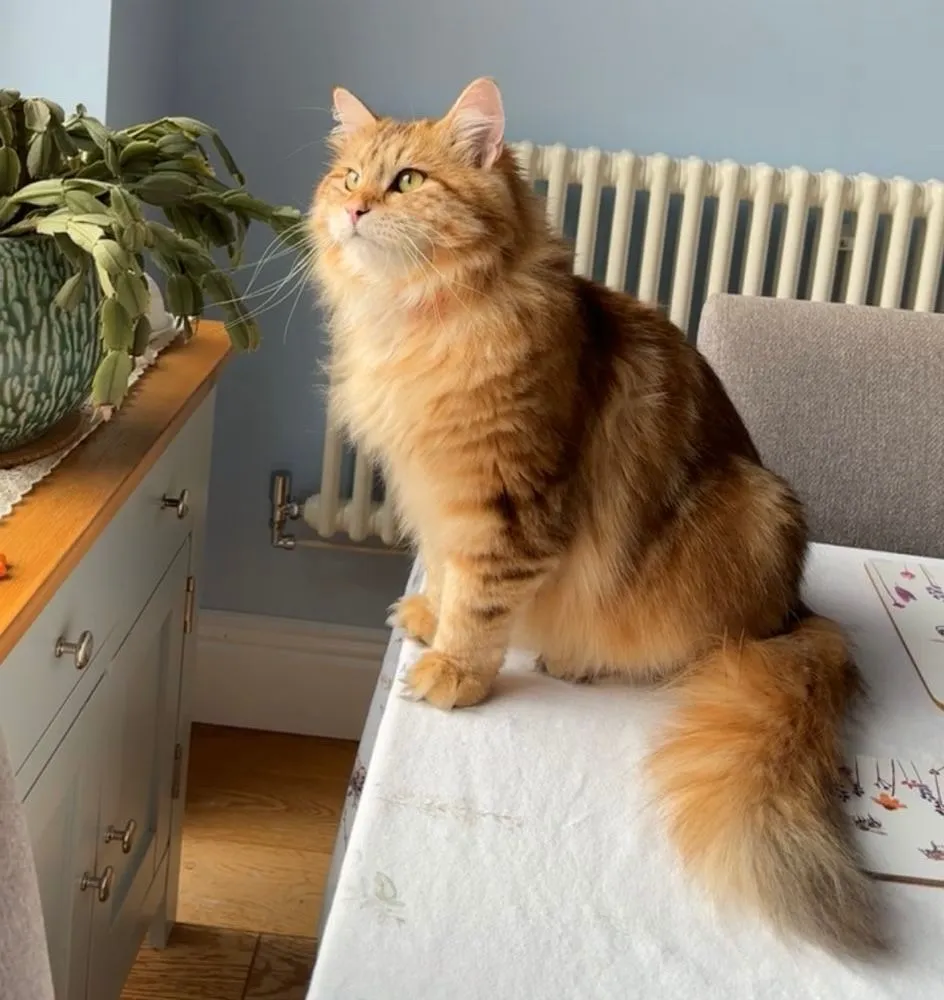
The hypoallergenic Siberian Cat claim is the most searched topic in Siberian content — and the one most often answered vaguely. Here is the honest science.
The primary cat allergen is Fel d 1, a small protein produced mainly in salivary and sebaceous glands. When cats groom themselves, Fel d 1 coats the fur, dries, and becomes airborne dander. Most cat allergies are reactions to this protein, not to cat hair itself.
Multiple studies, including research published in peer-reviewed veterinary journals, have documented that Siberian cats produce measurably lower concentrations of Fel d 1 than most other breeds — roughly 2–4 times less than average, with significant individual variation. Male Siberians produce more Fel d 1 than females; neutered males produce less than intact ones.
What this means in practice:
- Many people with mild-to-moderate cat allergies live comfortably with Siberians
- People with severe cat allergies may still react — just less intensely
- No cat is 100% allergen-free; “hypoallergenic” describes a spectrum, not a binary
- The best personal test: spend 45–60 minutes with a Siberian at a breeder’s home before committing
Some TICA-registered breeders now offer Fel d 1 saliva testing for individual kittens, showing each kitten’s specific allergen output. If allergies are the primary reason you are considering this breed, asking about this test is worth your time.
How to Identify a Siberian Cat
How to identify a Siberian Cat reliably involves looking at several features together — not one feature in isolation:
- Body: Large, muscular, barrel-chested, moderately long; substantial bone structure
- Coat: Triple-layered; moderately long; slightly coarser outer layer with a dense, water-resistant texture; naturally resistant to minor matting
- Head: Modified wedge shape, rounded at the top; broad forehead; rounded muzzle — not flat like a Persian
- Eyes: Large, nearly round, set slightly apart; color ranges from gold/green to copper; Neva Masquerades always have blue eyes
- Ears: Medium to medium-large, wide at the base, tufted at the tips (lynx tipping), with ear furnishings (fur inside the ear)
- Tail: Thick at the base, tapering; well-furred, carried upright
- Chin and collar: Full ruff around the neck; “bib” at the chest
- Hind legs: Slightly longer than front legs — this gives the Siberian’s walking gait a distinctive, slightly rounded quality
What a Siberian Cat is NOT: flat-faced like a Persian, slender like an Oriental, or angular like a Siamese. If someone is selling you a flat-faced cat as a “Siberian,” that is not a Siberian.
Siberian Cat vs Persian Cat — Which One is Right for You?
The Siberian Cat vs Persian Cat comparison comes up constantly in Indian pet forums, because both are large, long-haired, and popular here. They are, however, very different cats to live with.
| Feature | Siberian Cat | Persian Cat |
|---|---|---|
| Face structure | Natural muzzle; no breathing issues | Flat face (brachycephalic); prone to breathing problems |
| Activity level | Moderate-high; playful, athletic | Low; calm, sedentary |
| Grooming demand | 2–3x weekly; less matting-prone | Daily; high mat risk; needs professional grooming more often |
| Allergen levels | Lower Fel d 1; better for allergic families | Average to high Fel d 1 |
| Personality | Active, curious, dog-like, vocal | Serene, gentle, quiet |
| Heat tolerance in India | Moderate (needs AC) | Poor (also needs AC; brachycephalic issues worsen in heat) |
| Lifespan | 12–18 years | 10–15 years |
| Health concerns | HCM; heat; hairballs | Brachycephalic syndrome; eye discharge; PKD |
| Price in India (2026) | ₹30,000 – ₹1,20,000+ | ₹8,000 – ₹80,000 |
Bottom line: If you want a calm, quiet companion and are not allergic, a well-bred Persian works. If you want an active, family-oriented, potentially allergy-friendlier cat with fewer structural health problems, the Siberian wins clearly.
Siberian Cat Health: What Every Indian Owner Must Know
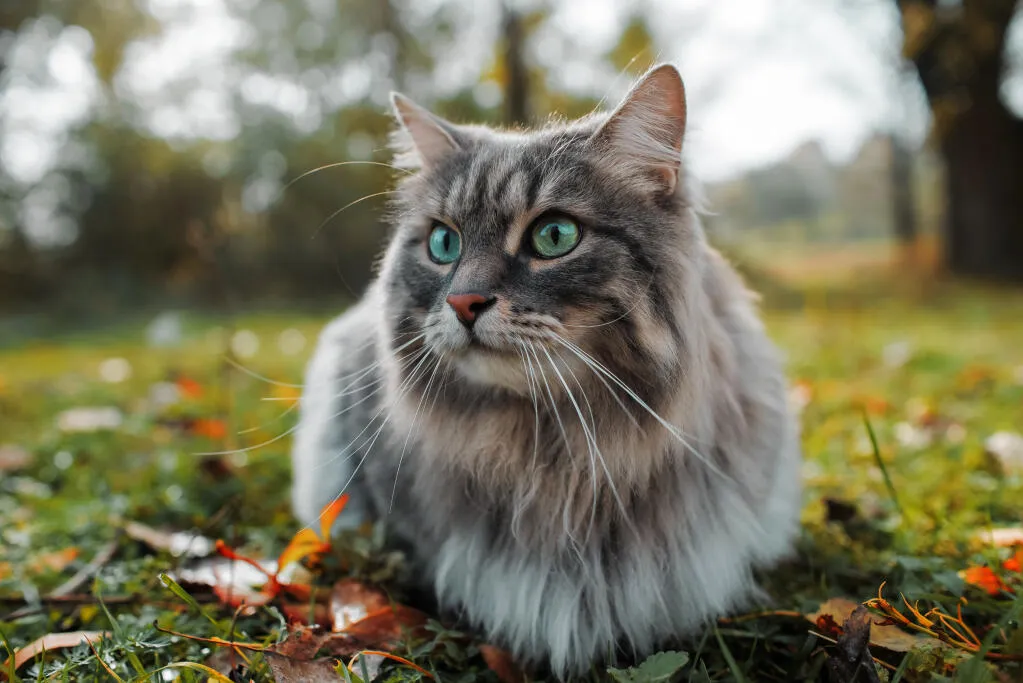
Hypertrophic Cardiomyopathy (HCM)
HCM is the most significant hereditary health condition in Siberian cats. The heart’s left ventricular wall thickens, reducing pumping efficiency. In mild cases, it is managed with medication and monitoring; in severe cases, it leads to congestive heart failure.
HCM is more common in Siberians than in many other breeds. The risk is reduced — though not eliminated — by choosing breeders who cardiac-screen their breeding cats annually via echocardiography performed by a board-certified veterinary cardiologist.
Ask any breeder directly: “Have both parents been echocardiogram-tested for HCM in the past 12 months?” A reputable breeder answers yes with documentation.
Watch for: laboured breathing, lethargy, reluctance to move, open-mouth breathing, blue gums. Annual cardiac check from age 2 onwards is recommended.
Polycystic Kidney Disease (PKD)
PKD has been identified in some Neva Masquerade lines — likely from Persian or Himalayan ancestry entering certain Neva bloodlines. Traditional Siberians from documented, non-colourpoint lines have very low PKD risk.
If you are specifically buying a Neva Masquerade, ask whether the breeder DNA-tests or ultrasound-screens for PKD. This is a direct and legitimate question.
Watch for: increased thirst, increased urination, weight loss, vomiting, lethargy.
Heat Intolerance (India-Specific — Critical)
This is the most practically important health issue for Siberian ownership in India. The Siberian Cat’s triple coat is an evolutionary response to Siberian winters. In India’s climate, it becomes a genuine welfare concern without active management.
In temperatures above 35°C — which covers most of India from April to June, and longer in southern cities — Siberians risk heat stroke. Signs: rapid open-mouth breathing, excessive drooling, bright red gums, unsteadiness, collapse.
India-specific management:
- Air conditioning in peak summer months is not a luxury — it is a health requirement
- Daily brushing during summer removes dead undercoat and meaningfully improves heat dissipation
- Cat water fountains increase hydration; cats have a naturally low thirst drive and need encouragement
- Never leave a Siberian in a parked car or enclosed outdoor space in Indian heat
- Keep outdoor/balcony access to early morning and evening in summer
Other Health Watchpoints
- Obesity: Siberians have healthy appetites. Portion-controlled feeding (not free-feeding) is standard practice
- Dental disease: Regular tooth brushing, dental treats, annual professional cleanings from kittenhood
- Hairballs: The triple coat means significant fur ingestion during grooming. Regular brushing plus hairball-formula food addresses this
- Skin issues during monsoon: Dense coat traps moisture in Indian humidity. Thorough drying after any wetting; check for hot spots or fungal infection June–September
Vaccination and Preventive Care Schedule for Siberian Cats in India
| Age | Milestone |
|---|---|
| 6–8 weeks | First FVRCP vaccine (Rhinotracheitis, Calicivirus, Panleukopenia) — given by breeder |
| 10–12 weeks | FVRCP booster + first FeLV (Feline Leukaemia) vaccine |
| 14–16 weeks | FVRCP booster + Rabies vaccine |
| 6 months | Spay / neuter (recommended) |
| 12 months | Annual FVRCP + Rabies booster; full health panel; cardiac check |
| Every 3 months (Year 1) | Deworming |
| Every 6 months (Adults) | Deworming + flea/tick prevention |
| From age 2–3 onwards | Annual echocardiogram recommended (HCM monitoring) |
Vaccination cost estimate: ₹2,500 – ₹5,000 for the full first-year course.
Siberian Cat Kitten — What to Know Before You Buy
A Siberian Cat kitten should not leave the breeder before 10–12 weeks of age. Siberian kittens are slow developers — extra time with the mother and littermates is not optional but essential for healthy social development. Any seller offering kittens at 6–7 weeks is prioritizing a quick sale over the kitten’s welfare.
What a healthy Siberian kitten should look like at 10–12 weeks:
- Clear, bright eyes with no discharge
- Clean ears with no dark debris
- Playful and curious, not lethargic
- Well-fleshed but not bloated
- First vaccination and deworming already completed by the breeder
- Coat already showing the characteristic density and texture
Siberian kitten price in India: Expect to pay ₹50,000–₹80,000 for a well-documented, health-tested kitten from a registered breeder in 2026. Prices below ₹35,000 for a “Siberian kitten” should prompt careful scrutiny of documentation.
How to Identify a Genuine Siberian Cat Breeder in India
India has no formal cat breeding regulation equivalent to the KCI for dogs. TICA and WCF-affiliated breeders exist, but the market is largely unregulated. Your due diligence is the primary protection.
Green flags — a good breeder:
- Welcomes in-person visits; you can see the mother cat
- Provides vaccination and deworming records
- Has echocardiogram results for breeding cats (HCM testing)
- Does not release kittens before 10–12 weeks
- Offers TICA, WCF, or FCI registration documentation
- Discusses the breed’s health concerns openly, including HCM
- Provides a written sales contract and post-adoption support
- Does not have 5+ litters always available simultaneously
Red flags — walk away:
- Refuses in-person visits; online-only transactions
- Cannot show the mother cat
- Prices dramatically below market with vague explanations
- Kittens available at 6–7 weeks
- No vaccination records
- “Neva Masquerade” claims with no colourpoint pedigree documentation
- Pressure to pay a deposit before a visit
On Siberian Cat price in India OLX listings: OLX does list Siberian cats, and prices range from ₹25,000 to ₹80,000+. Treat OLX listings with significant caution — the absence of a physical cattery to visit makes verification difficult. Always insist on meeting the kitten and the mother in person before any payment.
Monthly Maintenance Cost of a Siberian Cat in India (2026)
| Expense | Monthly Estimate (INR) | Monthly Estimate (USD) |
|---|---|---|
| Premium dry + wet food | ₹1,800 – ₹3,500 | ~$19 – $37 |
| Cat litter (quality clumping) | ₹600 – ₹1,200 | ~$6 – $13 |
| Home grooming supplies | ₹300 – ₹600 | ~$3 – $6 |
| Professional grooming (amortised) | ₹500 – ₹1,500 | ~$5 – $16 |
| AC electricity (summer months) | ₹2,000 – ₹6,000 | ~$21 – $63 |
| Flea/tick prevention | ₹300 – ₹700 | ~$3 – $7 |
| Routine vet + supplements | ₹500 – ₹1,200 | ~$5 – $13 |
| Toys and enrichment | ₹200 – ₹500 | ~$2 – $5 |
| Total monthly estimate | ₹6,200 – ₹15,200 | ~$65 – $159 |
Summer months (April–June across most of India) push costs toward the higher end due to air conditioning. Cooler months (November–February) bring monthly costs down to ₹4,000–₹8,000.
First-Year One-Time Setup Costs
| Item | Estimated Cost (INR) |
|---|---|
| Vaccination course | ₹2,500 – ₹5,000 |
| Spay/neuter surgery | ₹4,000 – ₹8,000 |
| Quality cat carrier | ₹1,500 – ₹4,000 |
| Large cat tree/scratcher | ₹3,000 – ₹8,000 |
| Cat bed | ₹1,000 – ₹3,500 |
| Litter box + initial litter | ₹1,200 – ₹3,000 |
| Grooming starter kit | ₹1,500 – ₹3,500 |
| Toys (starter set) | ₹800 – ₹2,000 |
| First-year total (beyond purchase) | ₹15,500 – ₹37,000 |
Ideal Environment and Climate for a Siberian Cat in India
The Siberian Cat was built for Siberia — not Bangalore, and certainly not Chennai. This does not mean they cannot live well in India, but it does mean the environment you provide carries real weight.
What a Siberian needs in an Indian home:
- Climate control: Air conditioning during peak summer (April–June in most metros; longer in southern cities) is non-negotiable. This is a health requirement, not a preference
- Vertical space: Cat trees, shelving, and climbing structures. Siberians are natural climbers and feel most at ease when they can survey their territory from height
- Daily play: Two 10–15 minute interactive play sessions minimum. Feather teasers, tunnel toys, and puzzle feeders work well
- Cool surfaces: Cooling mats during summer months provide meaningful temperature relief
- Fresh, moving water: A cat water fountain dramatically increases hydration — important in India’s heat
- Clean litter: Siberians are particularly clean animals. A dirty box will be avoided, leading to inappropriate elimination
City suitability at a glance:
| City/Region | Siberian Suitability | Primary Challenge |
|---|---|---|
| Bangalore, Pune, Mysore | Best in India | Moderate heat manageable with AC |
| Delhi, Jaipur (Oct–Mar) | Good | Severe summer heat Apr–Sep requires vigilance |
| Mumbai | Moderate | Humidity affects coat; AC essential |
| Chennai, Hyderabad | Challenging | Year-round heat and humidity; high AC dependence |
| Kerala coast | Challenging | Monsoon humidity; high risk of skin issues |
| Hill stations (Shimla, Ooty) | Excellent | Closest to natural Siberian environment |
Conclusion: Is the Siberian Cat Worth the Price in India?
The Siberian Cat price in India — ₹30,000 to ₹1,20,000 — is just the entry fee. The real commitment is ongoing: the monthly maintenance of ₹6,200–₹15,200, the summer AC bills, the twice-weekly grooming sessions, the annual cardiac monitoring.
The Siberian Cat is one of the few breeds that genuinely bridges the gap between feline independence and dog-like loyalty. They are patient with children, adaptable to apartment life (with proper enrichment), better for allergy sufferers than almost any other cat, and — with a Siberian Cat lifespan of 12–18 years — a companion for a significant chapter of your life.
Key takeaways:
- Pay for documentation and health testing — it saves money and heartbreak later
- Budget for air conditioning; it is as essential as food and veterinary care
- The Neva Masquerade is a color variety of the Siberian, not a separate breed — ask for pedigree papers
- Monthly costs are real: factor ₹6,000–₹15,000/month into your decision
- Annual cardiac monitoring from age 2–3 is standard preventive care for this breed
Choose a breeder who tests, documents, and cares. The Siberian Cat breed deserves that start — and so does your family.
? FAQs About Siberian Cat Price
What is the Siberian Cat price in India in 2026?
₹30,000 to ₹1,20,000+, depending on pedigree, city, and quality tier. Most pet-quality registered kittens fall in the ₹50,000–₹80,000 range.
Are Siberian Cats hypoallergenic?
Not fully, but they produce significantly lower Fel d 1 levels than most breeds — making them the best natural option for allergy sufferers. Always spend time with a Siberian before buying.
What is the Siberian Cat lifespan?
12–18 years with proper care — longer than the average domestic cat.
How do I identify a genuine Siberian Cat?
Look for a muscular, barrel-chested body, a triple-layer coat, a naturally rounded (not flat) muzzle, tufted ears, and a thick, well-furred tail. Always ask for TICA or WCF registration papers.
What is the monthly cost of owning a Siberian Cat in India?
₹6,200–₹15,200 per month, including food, litter, grooming, vet care, and summer AC costs.
Is the Siberian Cat good for hot Indian cities like Chennai or Delhi?
Possible, but challenging. Air conditioning during summer is a health requirement — not an option. Bangalore, Pune, and hill stations are significantly better-suited cities for this breed.
Thank You For Reading!
For More Helpful Pet Care Articles, Check Out Our Previous Blogs:
